ContextRTX is one of the world's largest aerospace and defence companies, serving commercial, defence and government customers worldwide through industry-leading businesses including Collins Aerospace, Pratt & Whitney and Raytheon.
Following the merger of Raytheon Company and United Technologies Corporation, the organisation faced the complex challenge of aligning multiple global businesses within a coherent brand portfolio. Geographic naming conventions, portfolio structure and brand relationships all needed to evolve to support future growth while improving clarity for customers and internal stakeholders.
ChallengeThe merger created an opportunity to review how brands, business units and geographic operations were organised across the wider organisation.
The objective was not simply to rename businesses, but to develop a strategic brand architecture and naming framework that strengthened the relationship between the masterbrand and its operating companies, supported future acquisitions and created a more consistent global portfolio.
The work also needed to balance global consistency with regional flexibility across multiple international markets.
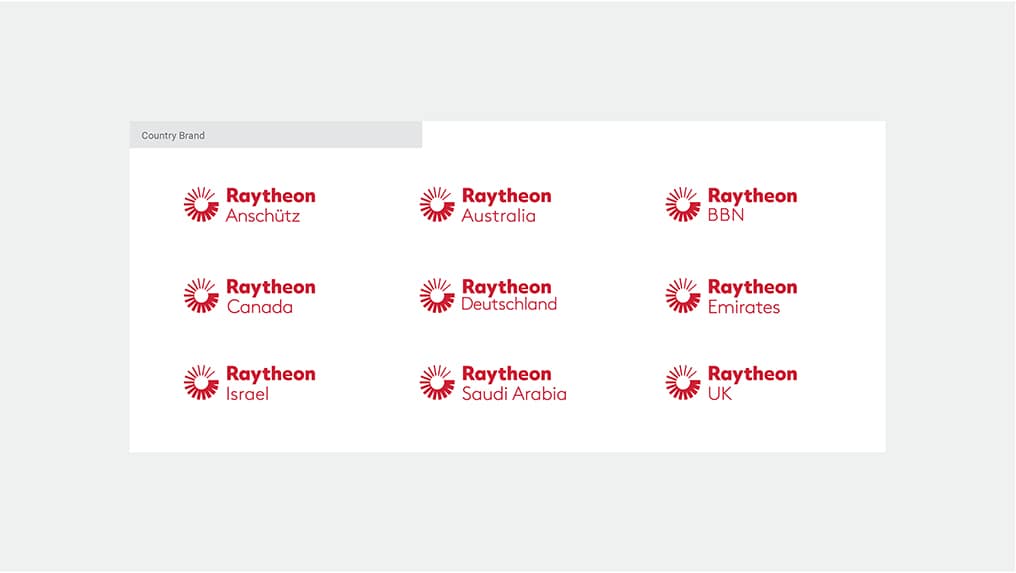
SolutionWorking with RTX, Aeron undertook a strategic review of the organisation's global brand architecture and geographic naming conventions.
The engagement began with an audit of naming approaches across the aerospace, defence and adjacent sectors, identifying best practice and opportunities for greater consistency across the portfolio.
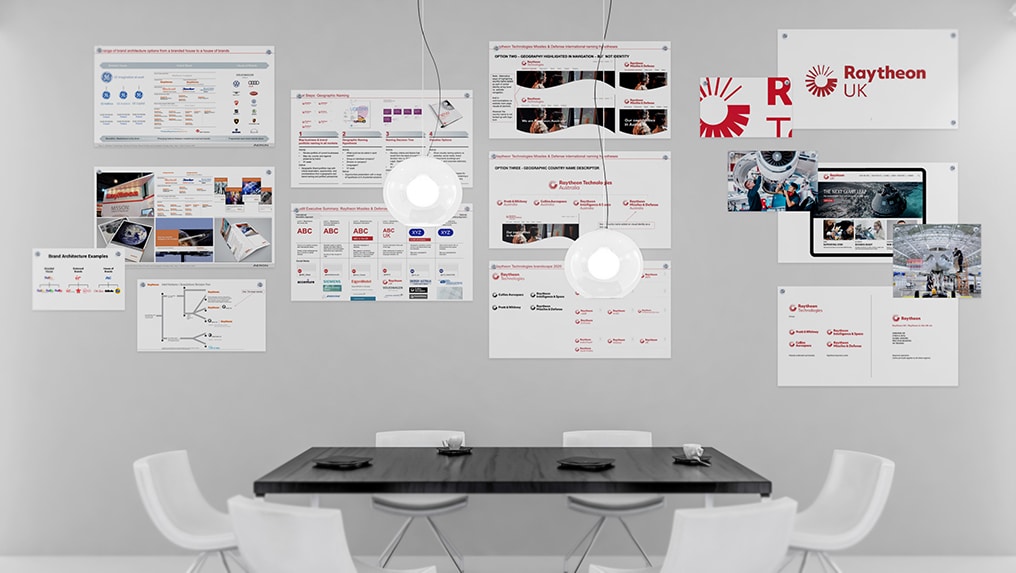
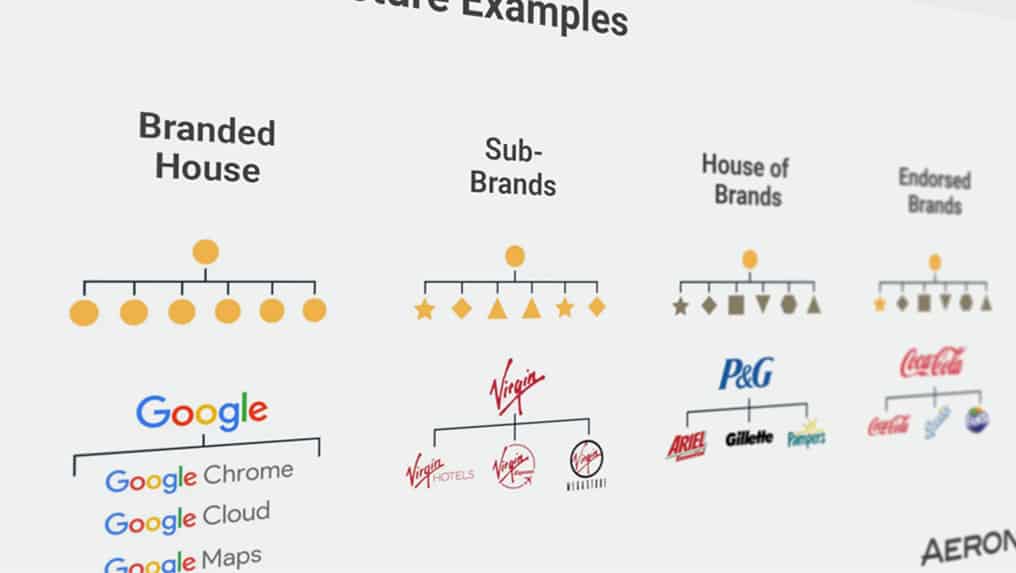
Alternative architecture models were then developed, ranging from a stronger masterbrand approach to a more decentralised house-of-brands model. Each option explored the relationship between corporate, business-unit and geographic identities while considering future organisational growth and customer understanding.
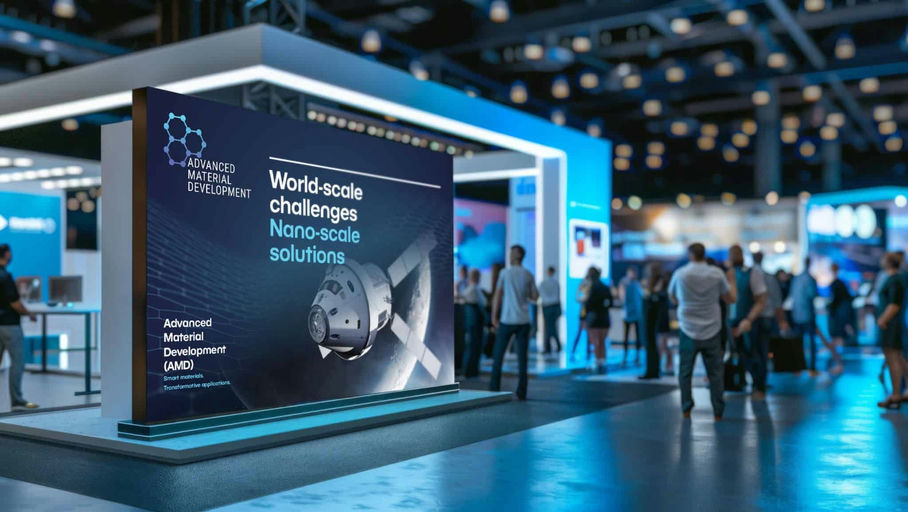
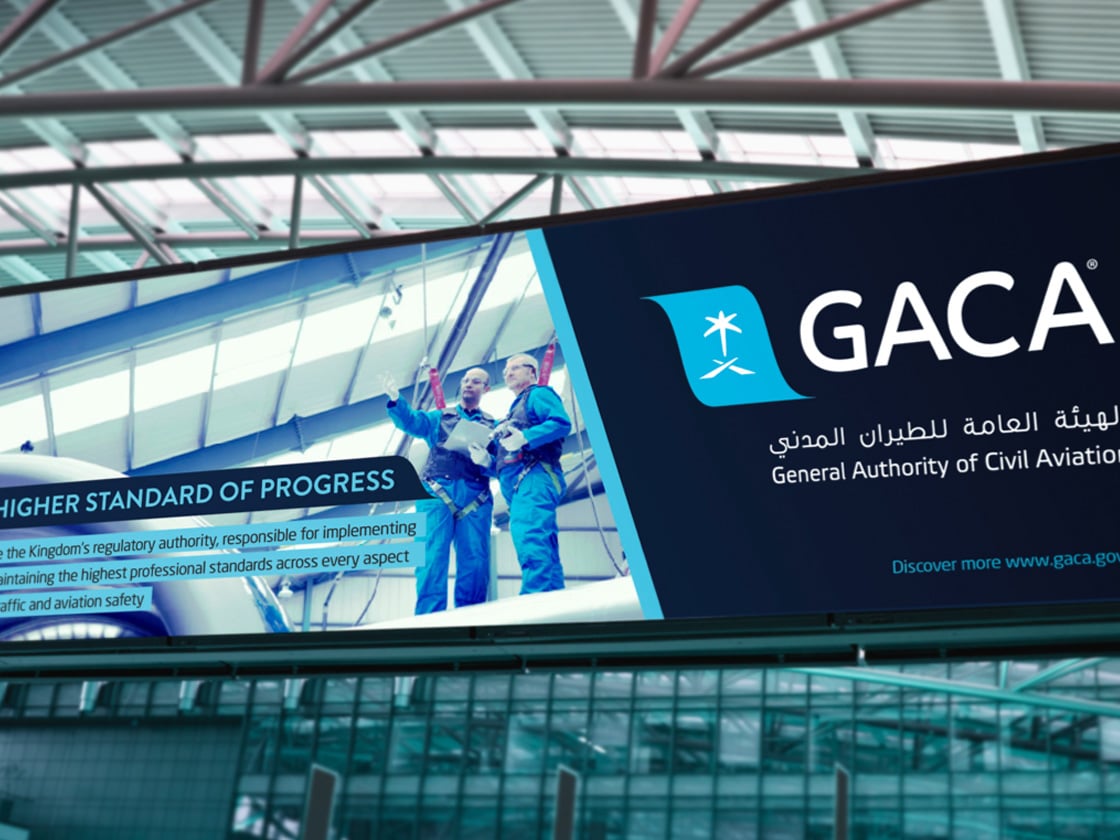
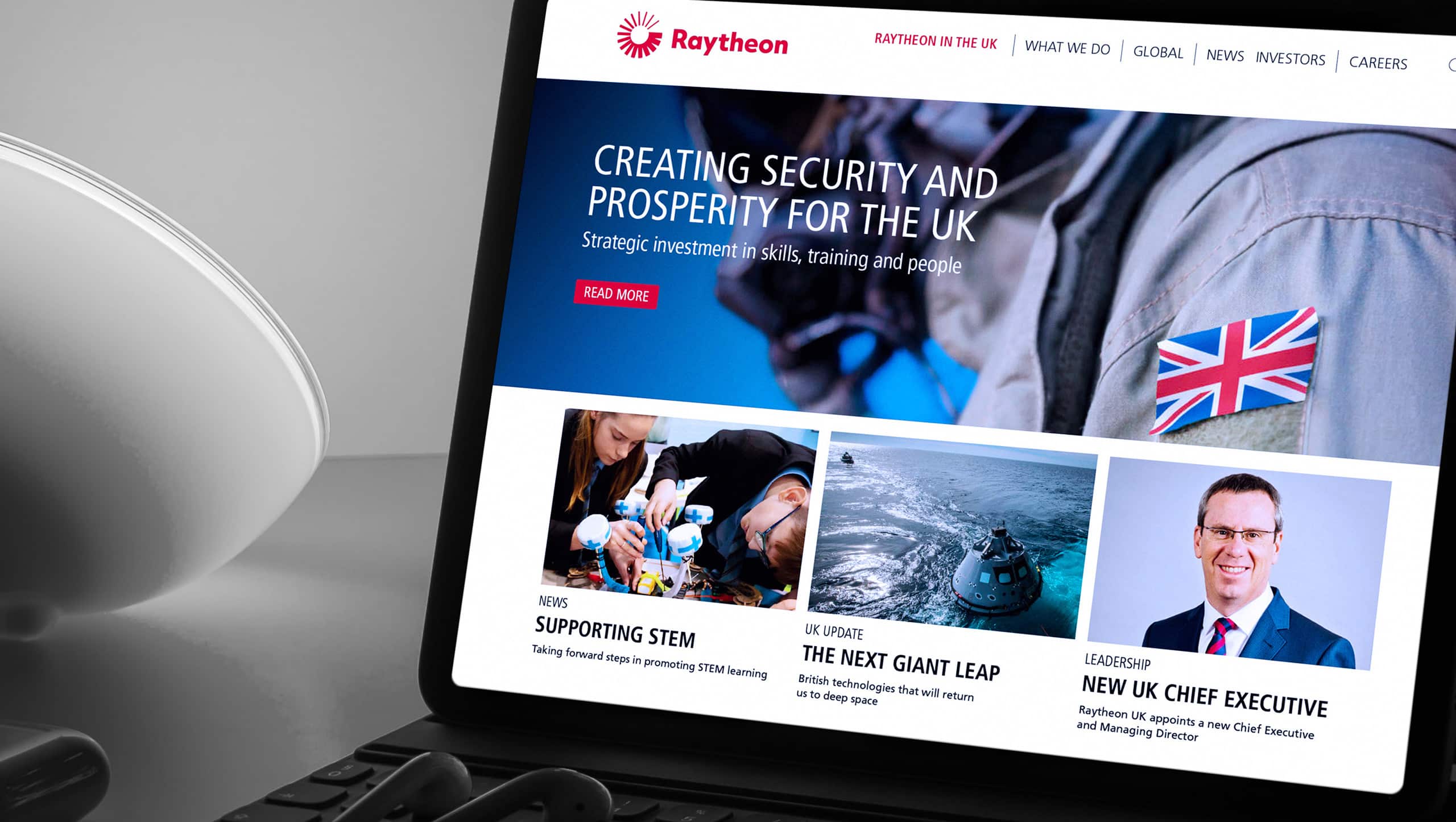
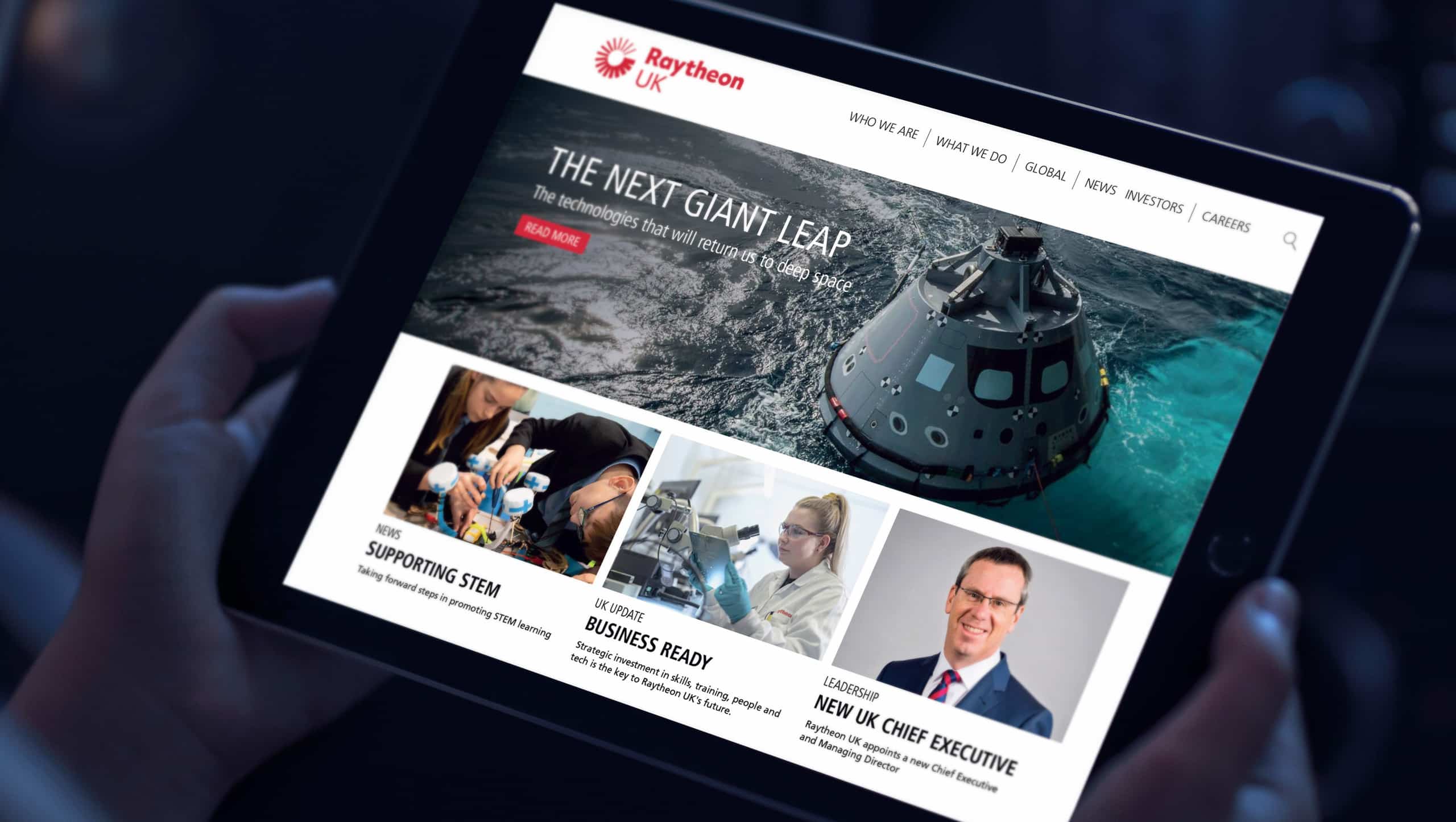
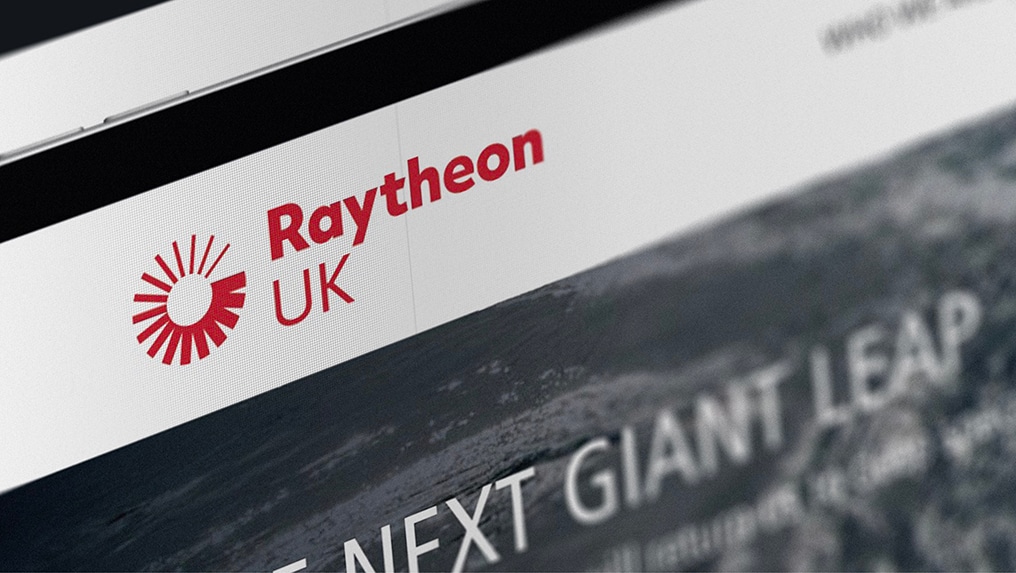
To support strategic decision-making, Aeron translated the proposed architectures into practical applications across digital and physical environments, allowing stakeholders to evaluate how different naming strategies would operate in practice before internal research and consultation informed the preferred direction.
ResultThe project produced a comprehensive global brand portfolio map, together with strategic recommendations covering geographic naming, migration planning, portfolio structure and future naming governance.
The work established a clear decision-making framework that enabled RTX to evaluate future portfolio changes while strengthening alignment across its global businesses.
The strategic thinking developed through the engagement supported broader organisational discussions around portfolio simplification and brand alignment, providing a structured foundation for future evolution.


Matthew Millard-Beer
Great brands are built on clarity and distinctiveness, then brought to life consistently through design, experience and communications.

Discover more projects showing how we help organisations build stronger, more distinctive brands across sectors and markets.