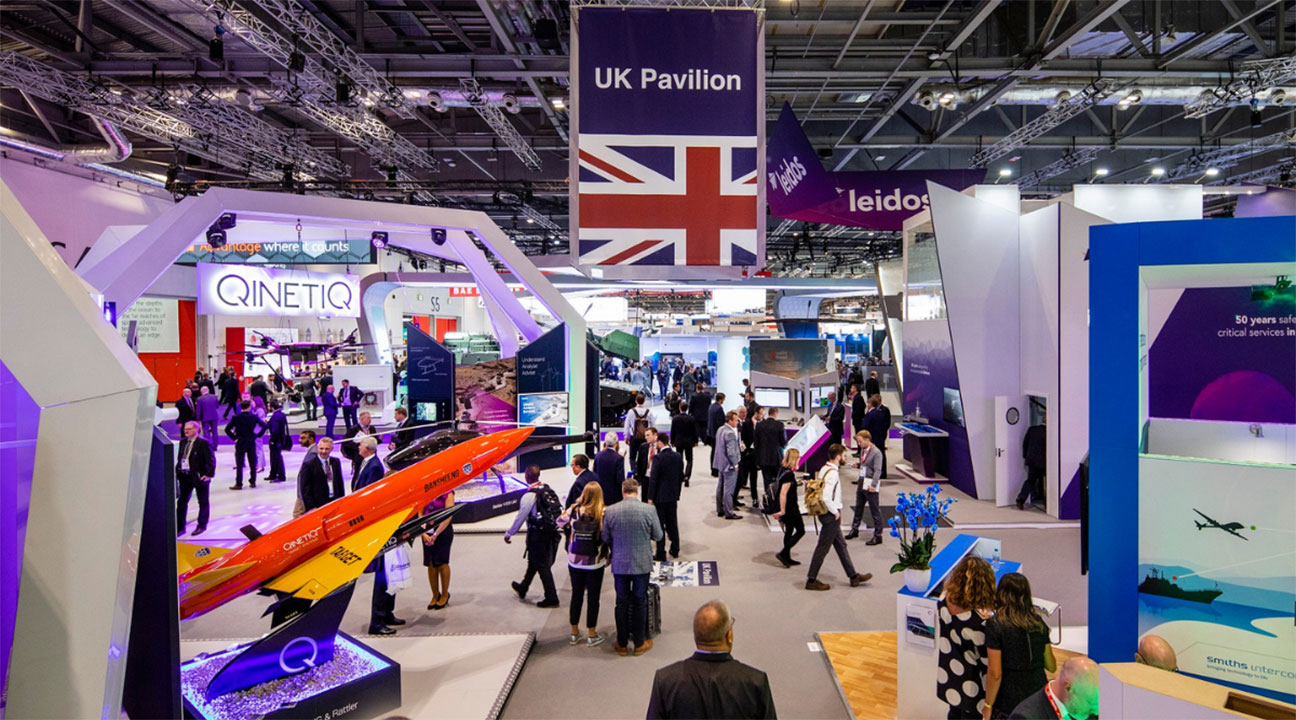
People don't experience developments as masterplans, floorplates or square footage.
They experience places.
The character of the neighbourhood, public realm, architecture, amenities, services, culture and sense of community all influence whether somewhere feels desirable — and whether people choose to live, work, visit or invest there.
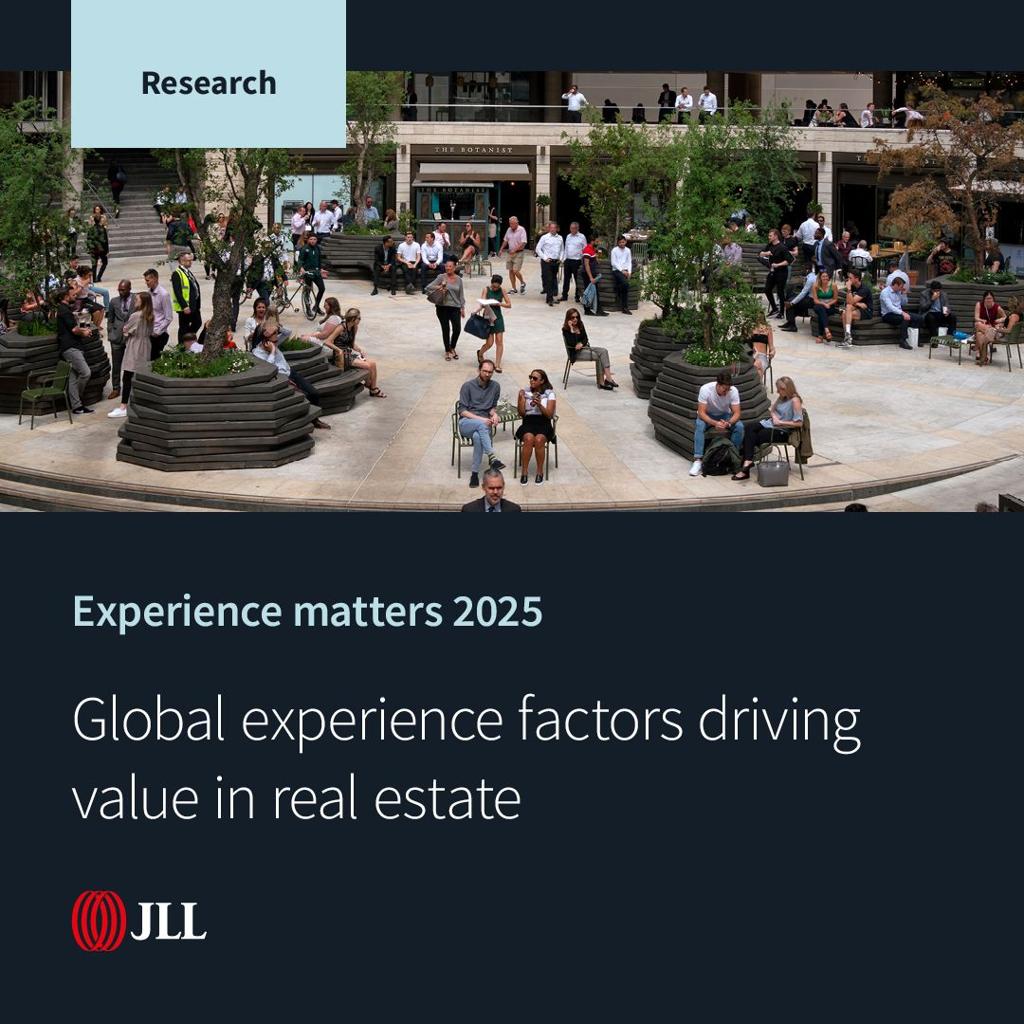
That experience increasingly has commercial value. JLL's 2025 research found that 69% of people are willing to pay more for high-quality experiences, up from 65% in 2024. Its latest placemaking research argues that mixed-use developments increasingly compete on experience as much as location or specification.
“69% of people are willing to pay more for high-quality experiences.” — JLL Experience Matters 2025
Explore JLL's Experience Matters research
For developers and property owners, the implication is significant.
Brand isn't something to add when a development is ready to market. It can help define the place people ultimately experience.
The strongest property brands begin with a clear idea.
What will make this place distinctive? Who is it for? What role should it play in its neighbourhood or city? Why should residents, occupiers, investors and visitors choose it?
Answering those questions creates a strategic platform that can influence far more than communications.
Positioning can inform naming, identity, architecture, public realm, amenities, tenant mix, service experience, digital platforms and marketing.
The opportunity is to connect those elements around one coherent proposition.
When brand strategy starts early enough, it can help shape the place — not simply describe it.
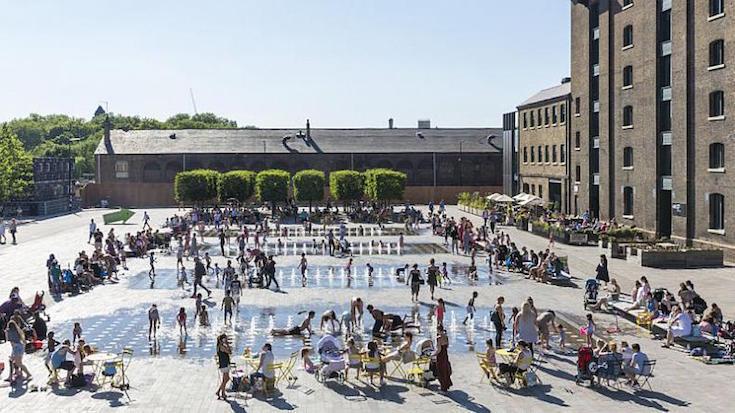
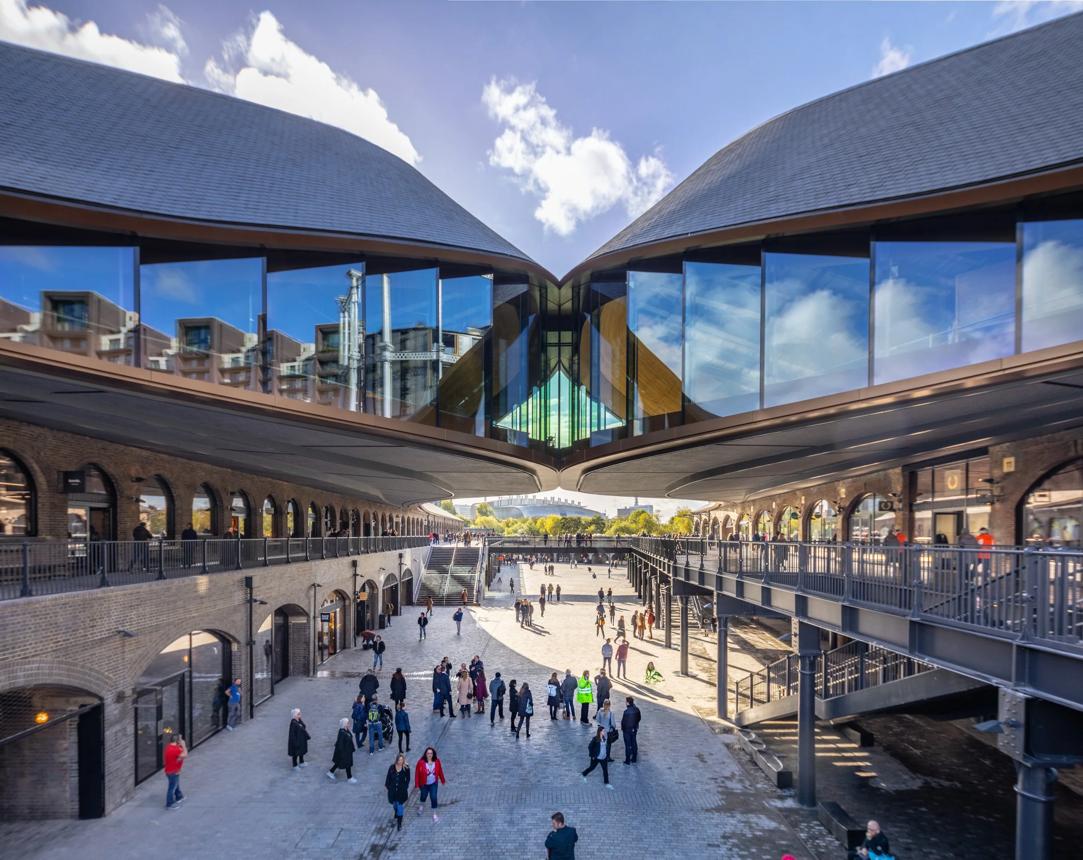
King's Cross provides a powerful example of property development becoming place creation.
The regeneration has brought together restored industrial heritage with contemporary architecture, offices, homes, retail, restaurants, cultural venues, education and significant public space.
Places such as Granary Square and Coal Drops Yard have become destinations in their own right, while organisations including Google, Meta and Universal Music have chosen King's Cross as a base.
The important point is that people don't experience King's Cross as a collection of individual property assets.
They experience a place with its own identity, character and reputation.
That is the difference between marketing property and building a place brand.
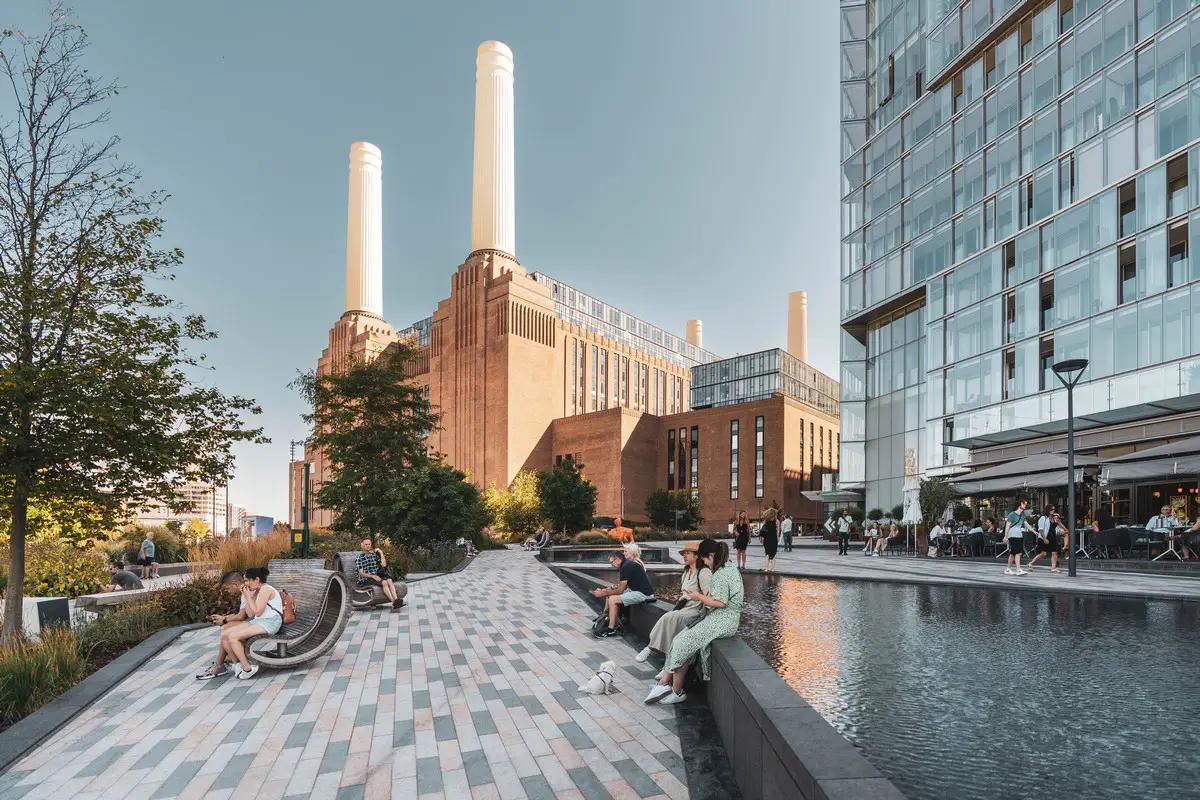
Battersea Power Station demonstrates the principle from a different starting point.
An internationally recognised industrial landmark has become the centre of a 42-acre mixed-use neighbourhood combining homes, offices, retail, hospitality, leisure, culture and public space. More than 2,200 homes have already been delivered, alongside over 170 brands and major occupiers including Apple's UK headquarters.
Crucially, the development continues to evolve rather than ending at launch. By February 2026, Battersea Power Station reported more than 40 million visitors since opening in 2022, while the remaining phases are being reconsidered around changing expectations of lifestyle, leisure and workspace.
The landmark created recognition.
The experience around it is creating the place.
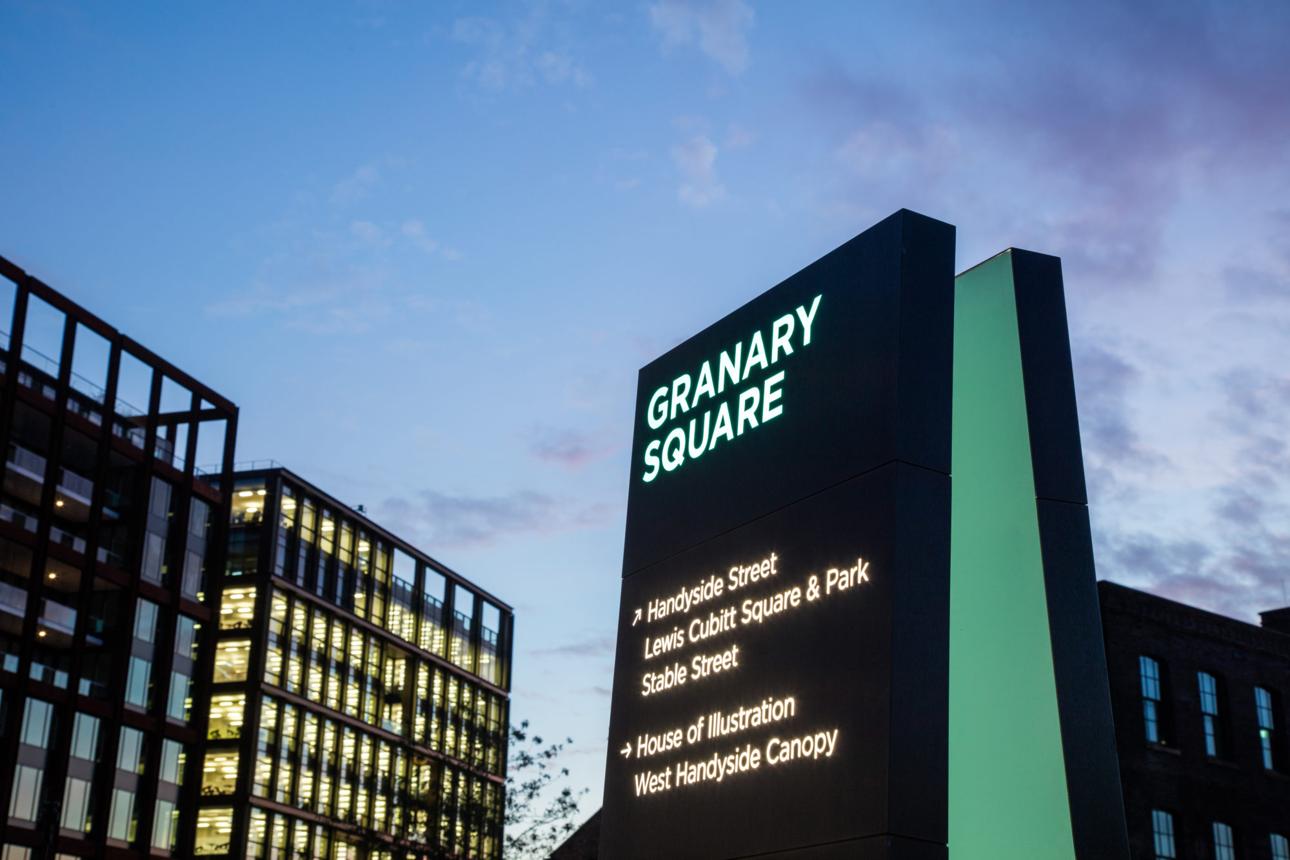
Audiences change. Buildings open in phases. New occupiers arrive. Communities develop. Services evolve.
The brand therefore needs enough clarity to remain recognisable, but enough flexibility to accommodate change.
This is where brand governance, experience and long-term management become as important as launch communications.
A successful property brand should become richer as the place develops.
Ultimately, the people who use the place become part of its story.
The strongest property brands don't simply market buildings. They create places people choose to live, work, visit and invest in.
Aeron is an international brand consultancy specialising in brand strategy, positioning, naming, visual and verbal identity, customer experience, place experience, digital design and integrated marketing.
We help developers, property businesses and destination organisations create distinctive propositions and connected experiences that turn developments into recognisable, relevant and valuable places.
Explore our latest thinking on brand strategy, customer experience, digital transformation and the trends shaping today's industries. From emerging technologies and changing customer expectations to destination branding, aviation and financial services, our insights share practical perspectives to help organisations build stronger brands and make better strategic decisions.