The movement of goods around the world is extraordinarily complex.
Shipping lines, ports, railways, roads, warehouses, freight forwarders and digital platforms must work together across countries, regulations and time zones.
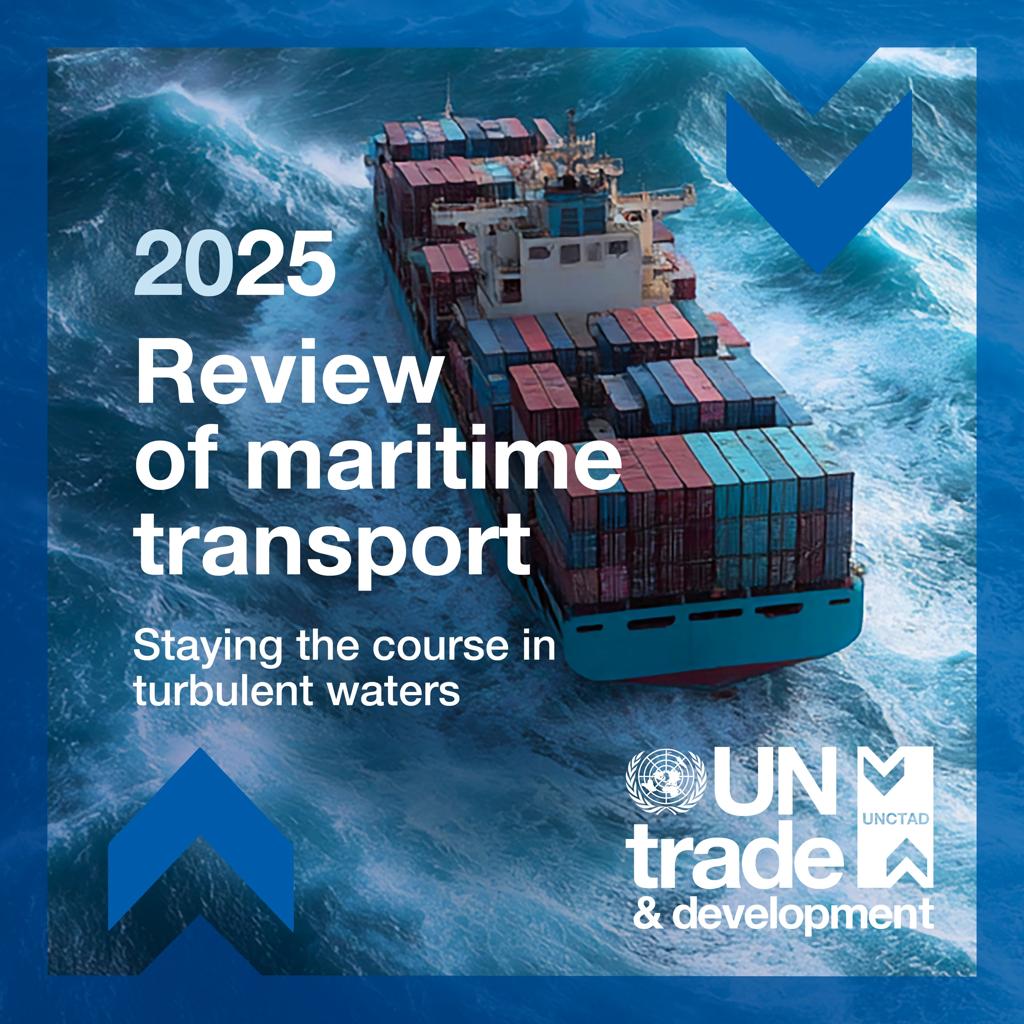
More than 80% of the volume of international trade in goods is carried by sea, making maritime transportation fundamental to the global economy. Yet the operating environment is becoming more difficult. UN Trade and Development reported that seaborne trade growth slowed to just 0.5% in 2025, amid geopolitical disruption, rerouting, volatile freight rates and pressure to digitalise and decarbonise.
“Over 80% of the volume of international trade in goods is carried by sea.” — UN Trade and Development
Explore the UNCTAD Review of Maritime Transport 2025
For customers, however, all that complexity should ideally become invisible.
The strongest logistics brands make extraordinarily complex businesses feel remarkably simple.
Many transportation and logistics organisations have grown far beyond their original business.
Shipping companies have expanded into freight forwarding and warehousing. Port operators now provide integrated logistics. Transport groups increasingly connect sea, air, road and rail with technology, finance and supply-chain management.
The result can be impressive operational capability — but a difficult story to explain.
Brand strategy helps translate that complexity into something customers can understand: what the organisation does, where it creates value and why customers should choose it.
The challenge isn't to simplify the business.
It is to simplify the experience of understanding and buying from it.
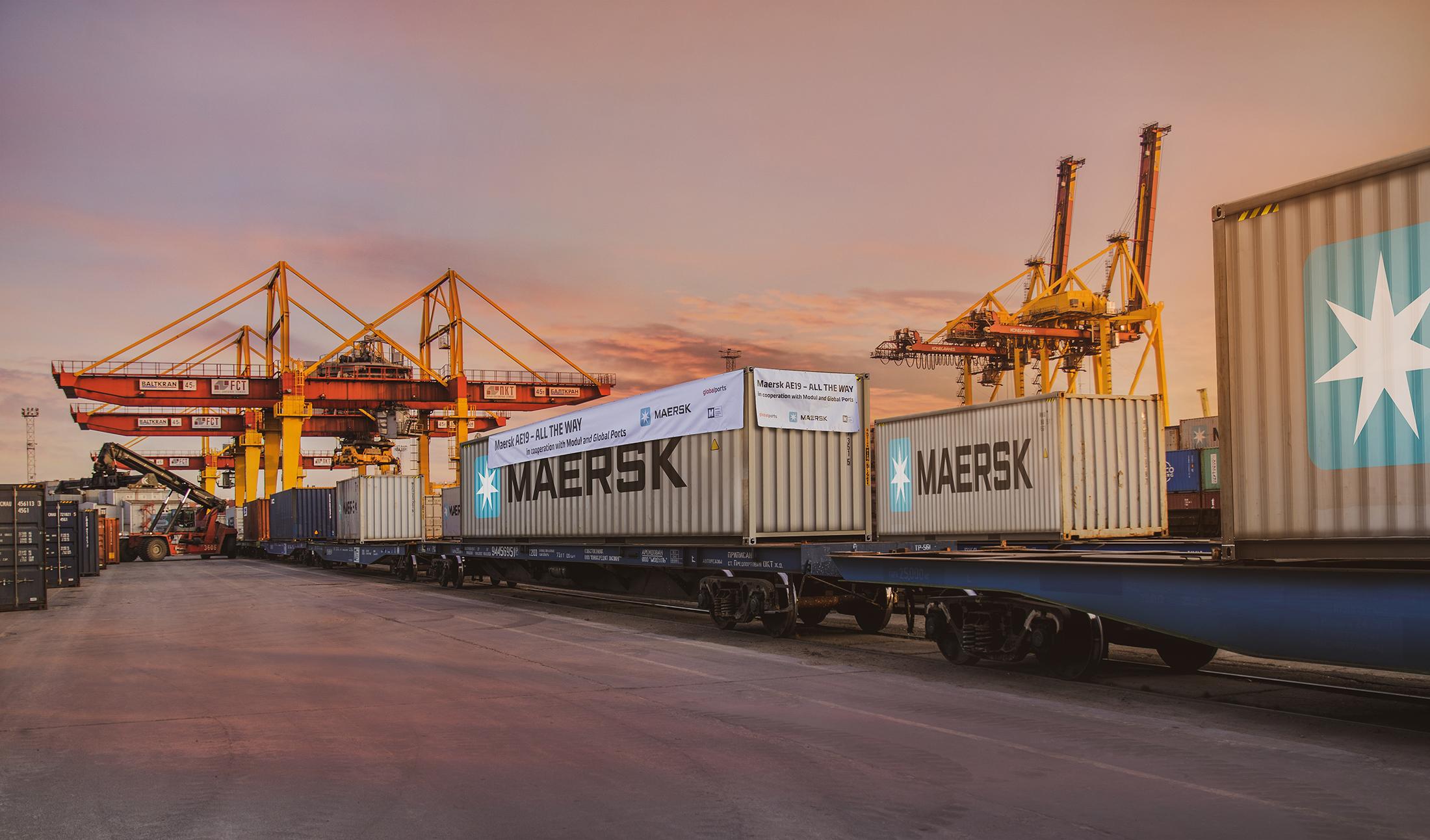
Maersk is a strong example of a business evolving beyond the category with which it was traditionally associated.
For generations, Maersk was synonymous with container shipping. Today, its proposition extends across ocean transportation, terminals, air freight, warehousing, customs, inland transportation and wider supply-chain services.
Maersk describes integrated logistics as connecting and optimising the logistics process from procurement through to distribution, helping customers manage growing supply-chain complexity and resilience.
The strategic shift is significant.
Rather than simply selling individual transportation services, the broader proposition is about helping customers connect and manage the entire supply chain.
That requires the brand to do something particularly important:
Turn operational scale into customer value.
As transportation groups expand, brand architecture becomes increasingly important.
New services, subsidiaries, joint ventures, acquisitions and partnerships can quickly create fragmented portfolios that are difficult for customers and employees to navigate.
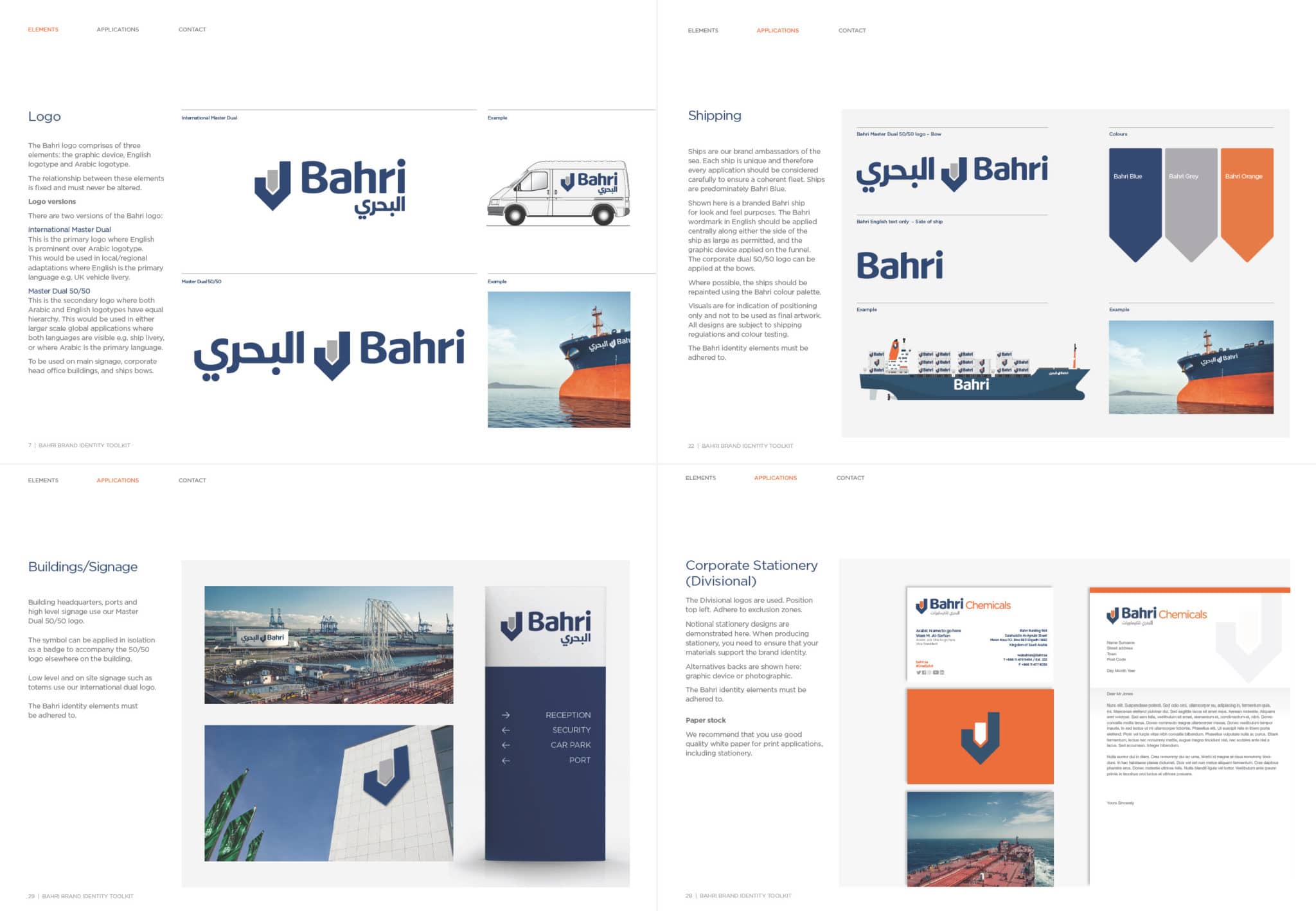
This was precisely the challenge in our work with Bahri.
Originally established as the National Shipping Company of Saudi Arabia, Bahri had developed into a major international shipping and logistics group with an expanding range of services and businesses.
Aeron reviewed the brand architecture and developed a system capable of accommodating international and regional businesses, new brands, acquisitions, endorsements, products and services. We also developed an enhanced visual identity system, bilingual wordmark and comprehensive bilingual guidelines.
The objective was not simply visual consistency.
It was to create a brand system capable of supporting a growing business.
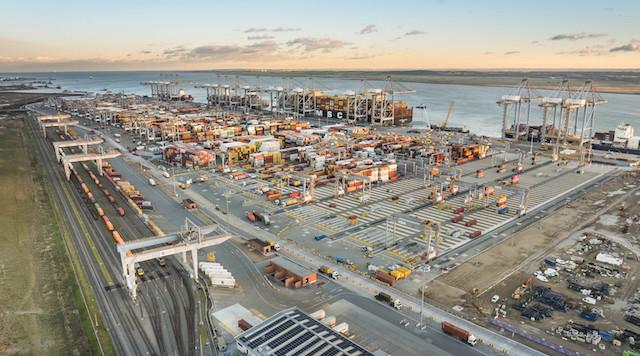
DP World demonstrates the same strategic shift from another starting point.
Once primarily associated with ports and terminals, the business now positions itself around integrated, end-to-end supply-chain solutions connecting ports, marine services, freight forwarding, warehousing and multiple modes of transportation.
In 2025, DP World invested US$3.1 billion in expanding its global logistics network and reported revenues of US$24.4 billion, up 22%. The company describes its strategy as creating a connected global trade platform capable of delivering end-to-end supply-chain solutions.
Its customer proposition is revealing: bring fragmented capabilities together to provide greater visibility, fewer hand-offs and a single point of accountability.
Again, the underlying brand principle is simple.
Organise the proposition around the customer's journey, not the organisation's structure.
The strongest maritime, transportation and logistics brands turn operational complexity into a clear, connected and distinctive customer proposition.
Aeron is an international brand consultancy specialising in brand strategy, positioning, brand architecture, visual and verbal identity, customer experience, digital design and integrated marketing.
We help maritime, transportation and logistics organisations clarify complex propositions, organise growing portfolios and create distinctive brands and connected experiences that strengthen understanding, preference and long-term growth.
Explore our latest thinking on brand strategy, customer experience, digital transformation and the trends shaping today's industries. From emerging technologies and changing customer expectations to destination branding, aviation and financial services, our insights share practical perspectives to help organisations build stronger brands and make better strategic decisions.