Consumer brands compete in an increasingly crowded marketplace.
Customers can move effortlessly between established brands, challengers and increasingly sophisticated private-label alternatives. NIQ reports that 53% of global consumers are buying more private-label products, while 68% consider them good alternatives to established brands.
Yet strong brands continue to grow. NIQ found that the world's top ten global brands grew sales by 4.8%, slightly ahead of private label at 4.3%.
The opportunity is clear.
When products become easier to substitute, brands need to become harder to replace.
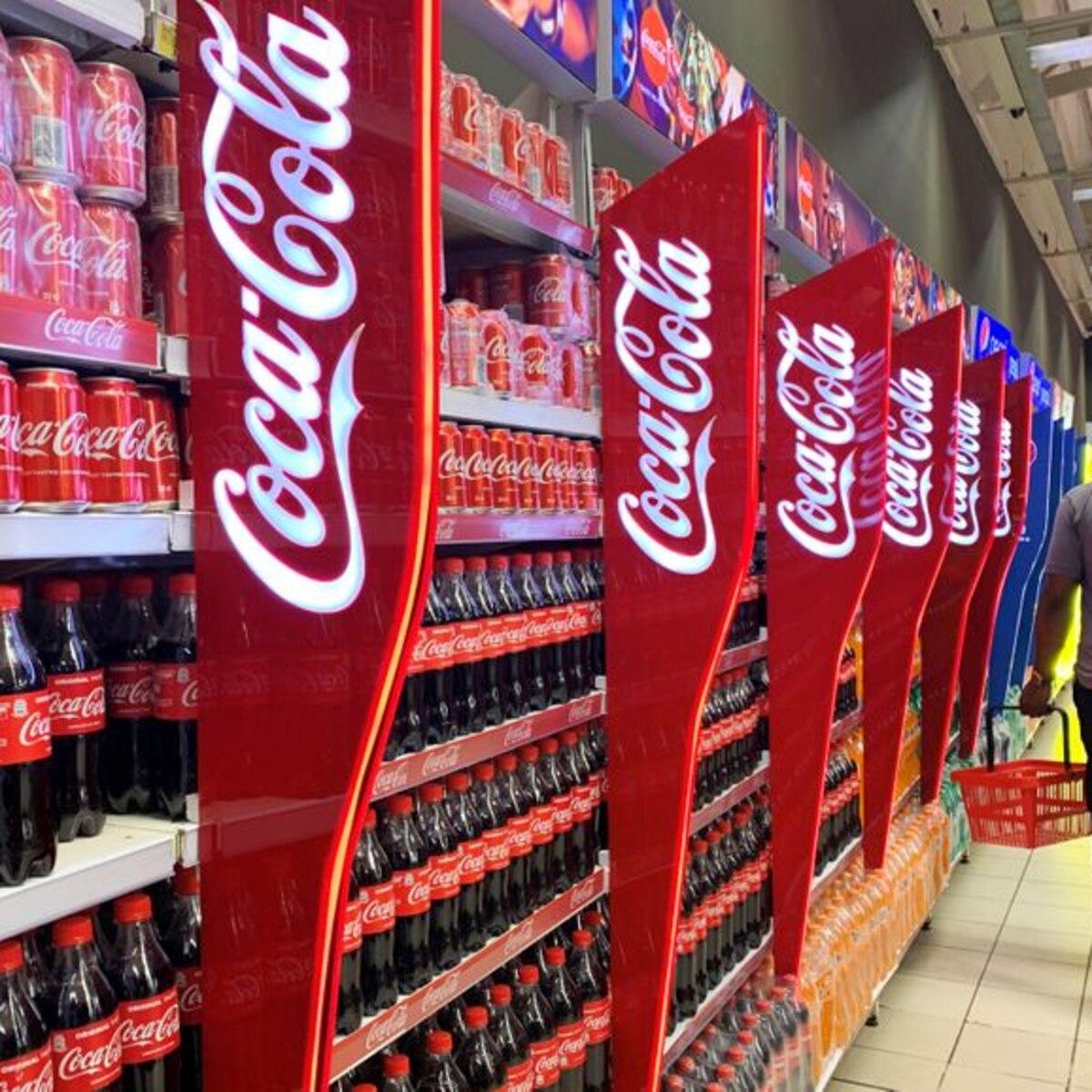
Consumers rarely encounter brands in isolation.
They compete for attention on supermarket shelves, ecommerce platforms, social media, retail environments and increasingly fragmented digital channels.
NIQ's 2026 research found that 49% of Western European consumers are buying a wider variety of brands than before, reflecting a move away from automatic loyalty.
In these environments, recognition matters.
Distinctive names, colours, symbols, packaging, typography, imagery and verbal cues help customers identify brands quickly and consistently.
But distinctiveness is more than visual standout.
The strongest consumer brands combine recognition with relevance — giving people a reason to notice the brand and a reason to choose it.
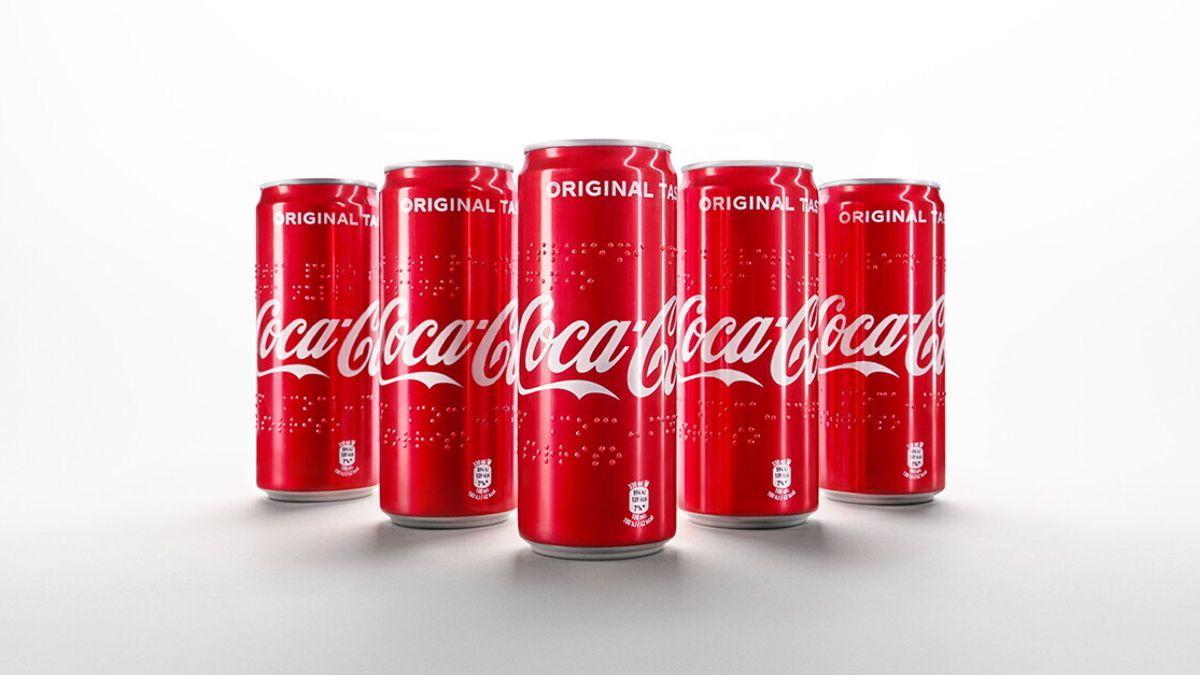
For many FMCG businesses, packaging is one of the most powerful brand assets they own.
It has to attract attention, communicate value, differentiate variants, support navigation and increasingly explain credentials around ingredients, provenance, health and sustainability — often within seconds.
The same principles extend into retail and digital environments. Customers should be able to recognise and understand the brand whether they encounter it on shelf, online, in-store or through communications.
Consistency builds recognition.
Innovation keeps the brand relevant.
Successful consumer brands need both.
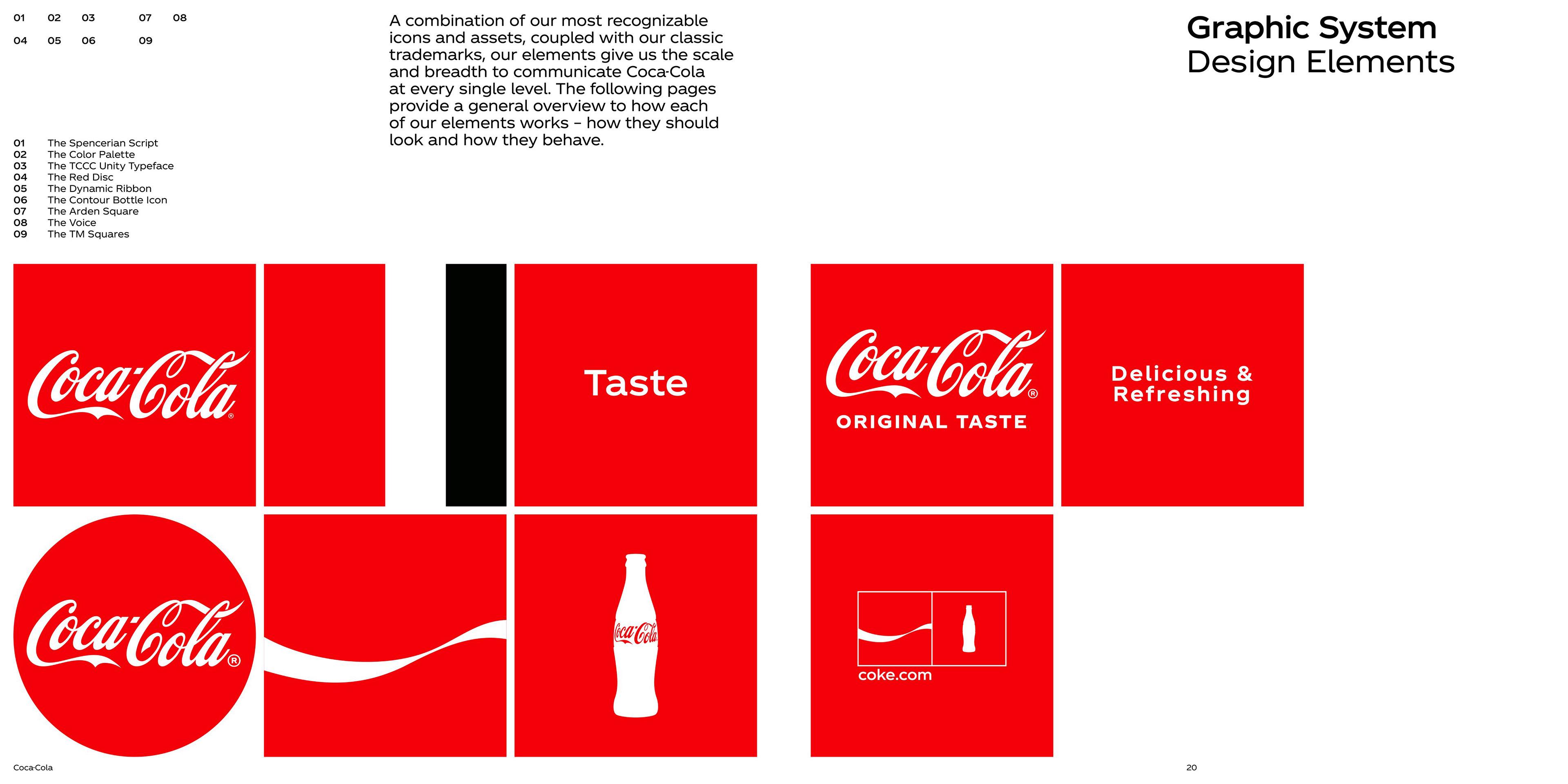
Few brands demonstrate the commercial power of distinctive brand assets better than Coca-Cola.
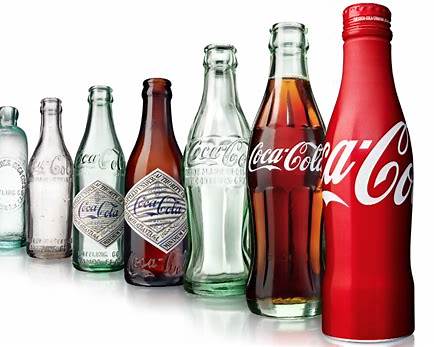
Its Spencerian script, red and white palette, Dynamic Ribbon and contour bottle have created a visual language recognised around the world. The contour bottle itself was originally commissioned to be sufficiently distinctive that it could be recognised even by touch.
Importantly, Coca-Cola continues to evolve those assets rather than continually reinventing them.
In July 2026, the company introduced a refreshed global visual identity designed to make Coca-Cola more consistent and recognisable across packaging, retail environments, equipment and digital experiences in more than 200 markets. The system deliberately amplifies established assets including Coca-Cola red, the Dynamic Ribbon and Spencerian script.
That consistency operates at enormous scale. Trademark Coca-Cola represented 47% of the company's worldwide unit case volume in 2025.
The lesson is not that successful brands should resist change.
It is that they should understand what makes them distinctive before deciding what to change.
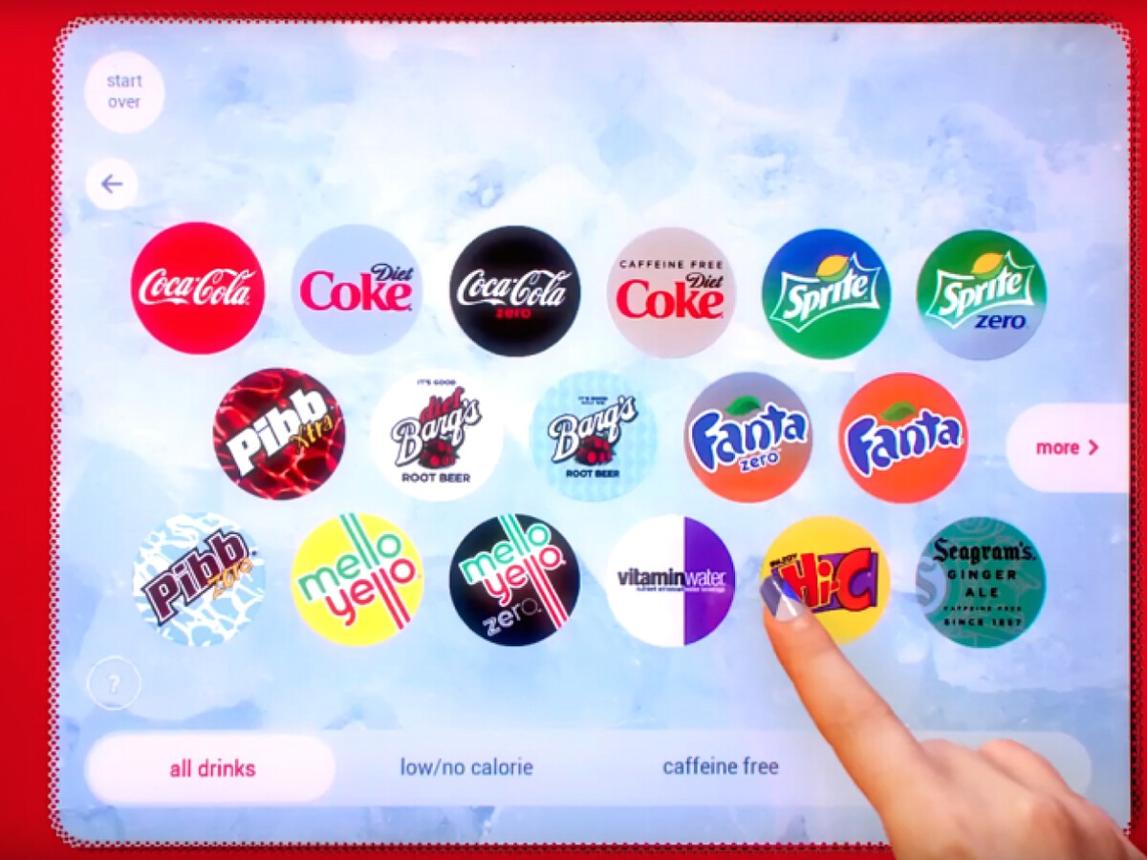
The strongest consumer brands combine clarity and distinctiveness to become easier to recognise, remember and choose.
Aeron is an international brand consultancy specialising in brand strategy, brand design, packaging, customer experience, digital design and integrated marketing.
We help consumer, FMCG and retail organisations define stronger propositions, create distinctive identities and packaging, rationalise portfolios and build connected brand experiences that strengthen recognition, preference and sustainable growth.
Explore our latest thinking on brand strategy, customer experience, digital transformation and the trends shaping today's industries. From emerging technologies and changing customer expectations to destination branding, aviation and financial services, our insights share practical perspectives to help organisations build stronger brands and make better strategic decisions.