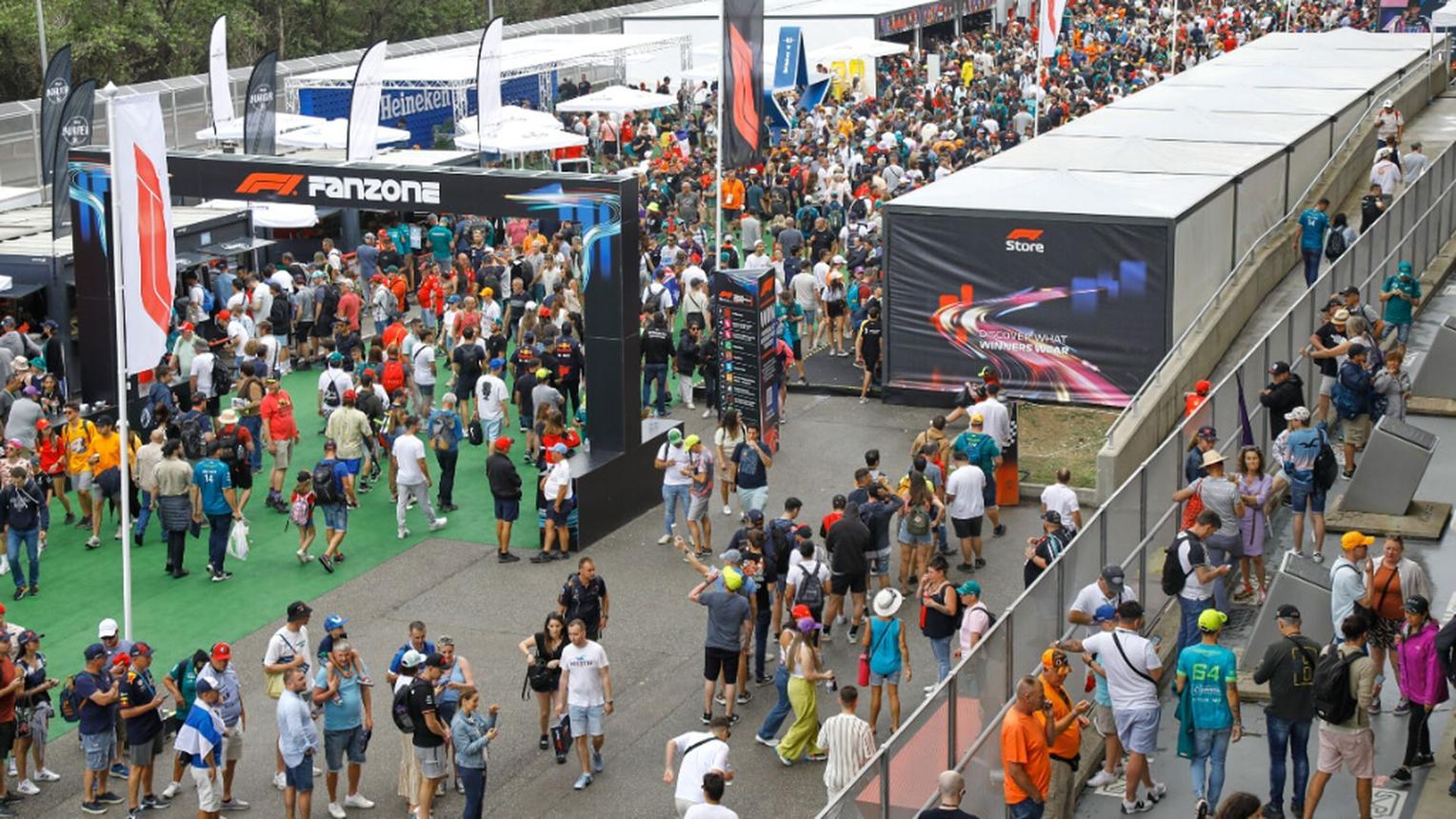
Sport creates emotion, identity and belonging.
Fans don't simply consume a product. They follow teams and athletes, attend events, wear colours, share content and become part of communities that can last a lifetime.
That creates enormous brand potential.
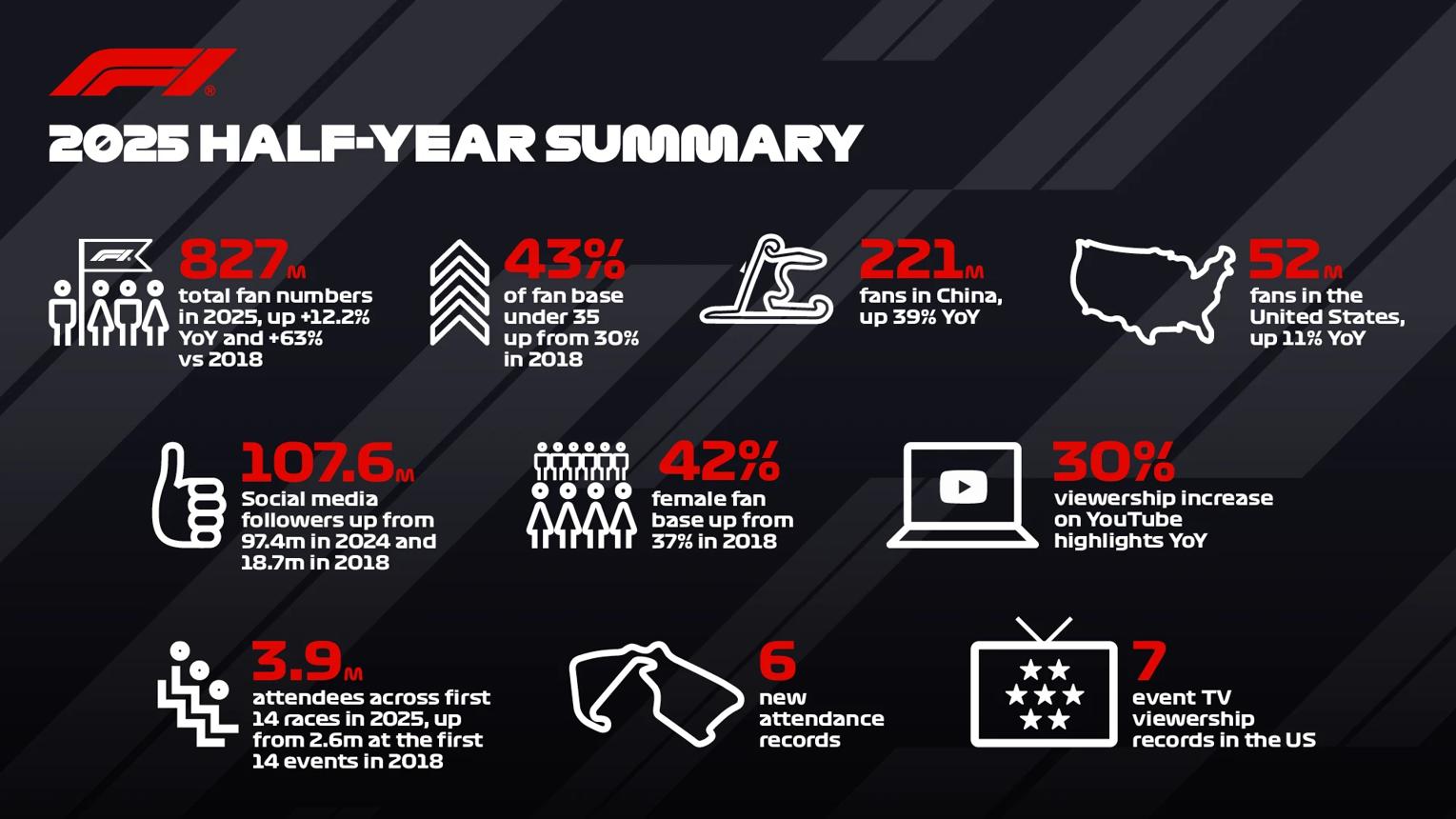
Formula 1 provides a striking example. Its global fanbase reached 827 million in 2025 — up 12% in a year and 63% since 2018. The audience is also becoming younger and more diverse, with 43% now under 35 and 42% female.
“Formula 1's global fanbase reached 827 million in 2025.” — Formula 1
Explore Formula 1's 2025 season review
But audience size alone doesn't create brand value.
The opportunity is to turn attention into engagement, engagement into belonging and belonging into long-term loyalty.
The relationship between a fan and a sport used to be concentrated around match day or race weekend.
Today it is continuous.
Streaming, social media, gaming, documentaries, podcasts, merchandise, hospitality and digital communities allow audiences to interact with sports brands throughout the year.
Formula 1's 2025 Global Fan Survey found that 61% of highly engaged respondents interact with F1 content every day, while 94% expect to still be following the sport in five years. Among US Gen Z respondents, 70% engage with F1 content daily.
That changes the role of brand.
Every piece of content, digital interaction and live experience becomes an opportunity to strengthen the relationship.
Formula 1 has undergone one of the most significant transformations in modern sport.
The refreshed visual identity introduced in 2017 was only part of a much broader change.
Formula 1 expanded its digital and social presence, developed new fan experiences and destinations, embraced streaming and entertainment, entered new markets and opened the sport to audiences far beyond traditional motorsport followers.
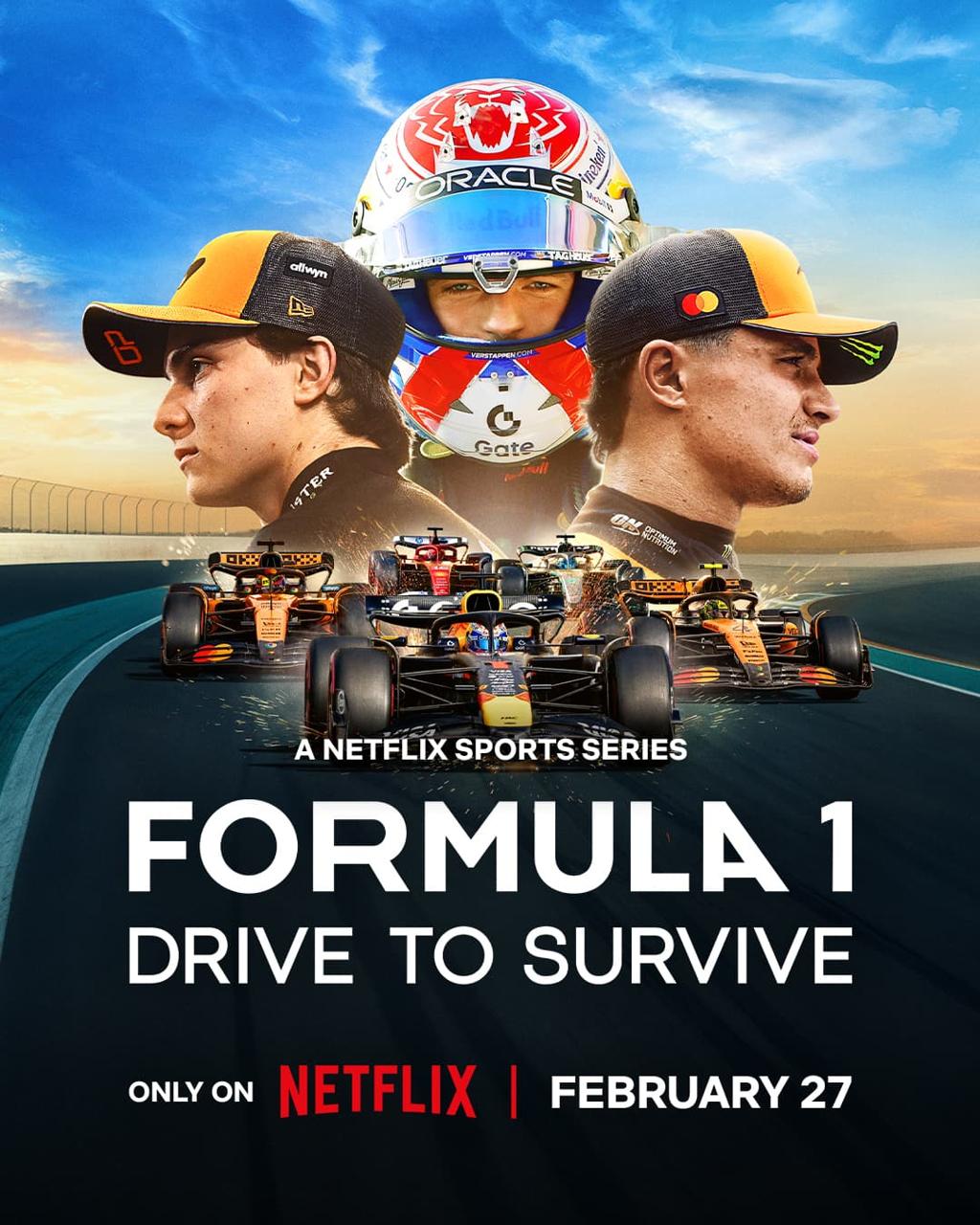
Netflix's Drive to Survive, launched in 2019, became an important part of that evolution by giving audiences access to the personalities, rivalries and stories behind the racing. Formula 1 itself describes the series as having reshaped the way people interact with the sport and brought new audiences into the paddock.
The commercial results are equally significant. Formula 1 generated US$3.87 billion in revenue in 2025, up from US$3.41 billion in 2024. Total season attendance reached a record 6.7 million, with 19 events selling out.
The lesson is broader than motorsport.
Great sports brands create compelling worlds around the competition itself.
Transformation doesn't always mean reinventing everything.
Wimbledon demonstrates the opposite opportunity.
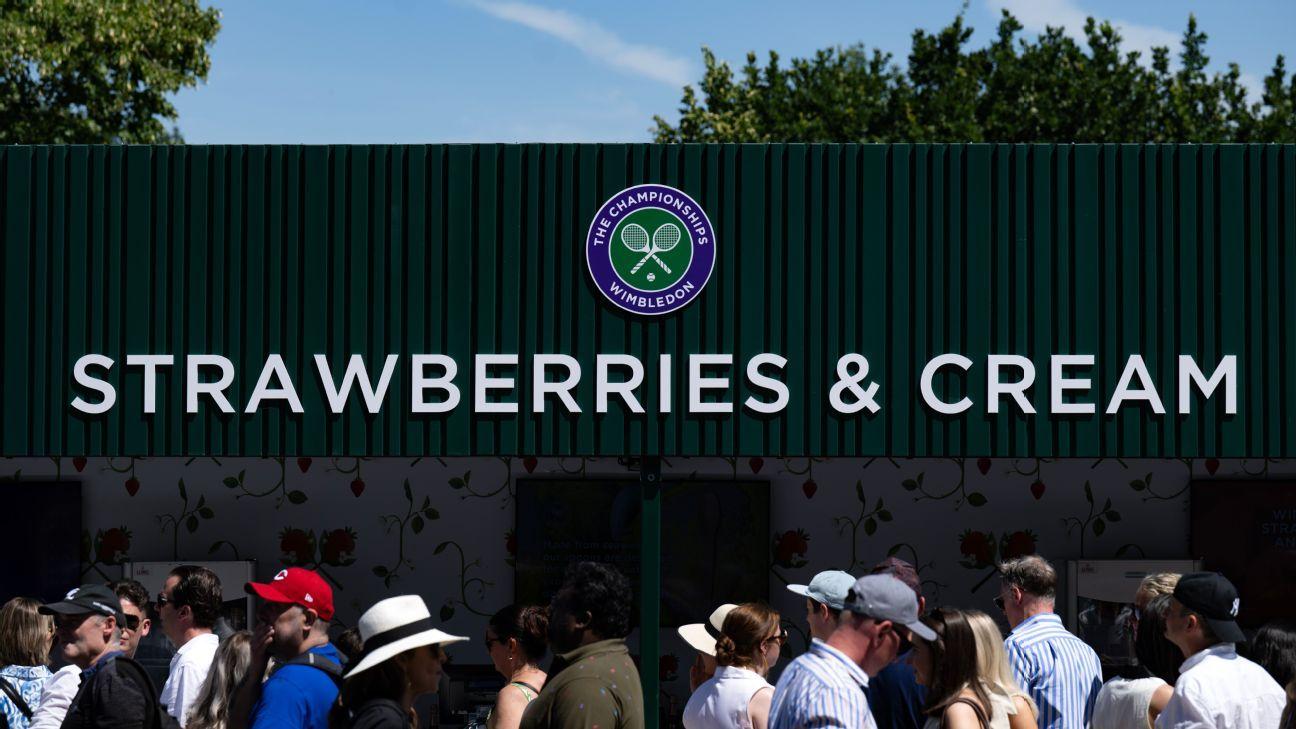
Its green and purple colour palette, grass courts, strawberries and cream, typography, traditions and unmistakable sense of place create an extraordinarily distinctive collection of brand assets.
Yet the experience continues to evolve through digital platforms, content, hospitality, merchandise and partnerships.
Even merchandise provides an extension of the brand world: Wimbledon develops almost 400 products each year at SW19, combining contemporary sports and lifestyle products with the heritage and standards of The Championships.
The strategic principle is important:
Modernisation is most powerful when you know what not to change.
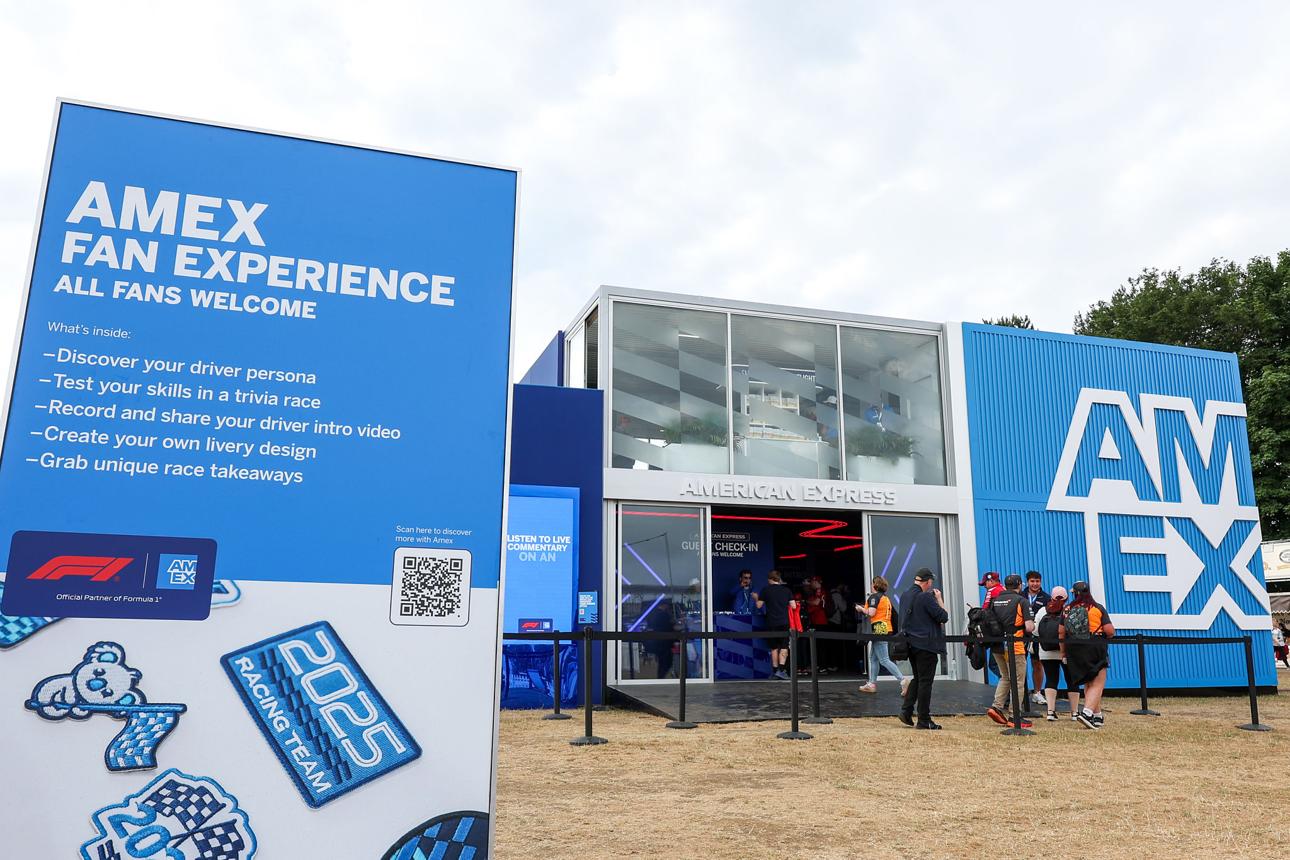
Strong sports brands also create attractive platforms for partners.
Formula 1's 2025 fan research found that 76% of respondents believe sponsors enhance the sport, while one in three said they were more likely to purchase from F1 partners.
That relationship between brand, audience and partner is fundamental to the economics of modern sport.
Sponsors increasingly want more than logo visibility. They want access to engaged communities, compelling content, memorable experiences and credible opportunities to participate in the culture surrounding the sport.
For rights holders, teams and events, a stronger brand therefore creates value on both sides of the relationship.
The strongest sports brands don't simply attract spectators. They create communities people choose to belong to.
Aeron is an international brand consultancy specialising in brand strategy, positioning, visual and verbal identity, customer and fan experience, digital design, sponsorship activation and integrated marketing.
We help sports organisations, events, rights holders and sponsors create distinctive brands and connected experiences that strengthen engagement, loyalty and commercial growth.
Explore our latest thinking on brand strategy, customer experience, digital transformation and the trends shaping today's industries. From emerging technologies and changing customer expectations to destination branding, aviation and financial services, our insights share practical perspectives to help organisations build stronger brands and make better strategic decisions.