Few sectors are being asked to transform at the scale or pace of energy and utilities.
Organisations must balance energy security, affordability and reliability with decarbonisation, electrification, new technologies and changing expectations from customers, governments, investors and communities.
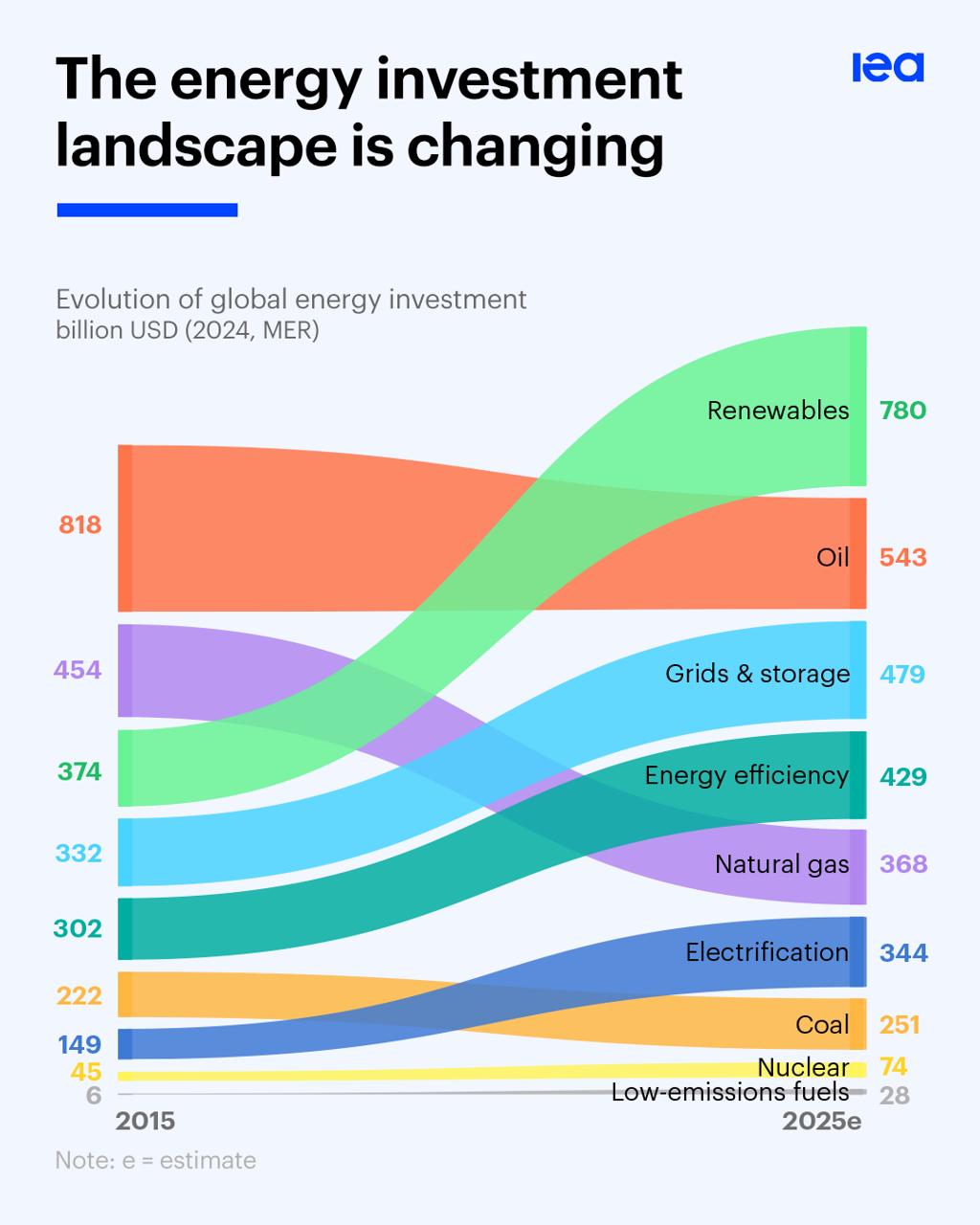
The scale of investment reflects the transformation underway. The International Energy Agency estimated that global energy investment would reach a record US$3.3 trillion in 2025, with around US$2.2 trillion directed towards clean energy technologies including renewables, grids, storage and electric vehicles.
“Global energy investment is set to reach US$3.3 trillion.” — International Energy Agency
Explore the IEA's energy investment research
Transformation on this scale isn't simply an operational challenge.
It is a brand challenge.
Energy organisations occupy a distinctive position in society.
People depend upon them every day, while governments and economies rely on secure energy supplies and infrastructure. That creates enormous expectations around reliability, safety, responsibility and long-term stewardship.
At the same time, the businesses themselves are changing.
New energy sources, digital technologies, partnerships and business models can quickly make established positioning, names and portfolio structures outdated.
Strong brands provide continuity through that change.
They help organisations explain where they have come from, what they are becoming and why stakeholders should believe in the journey.
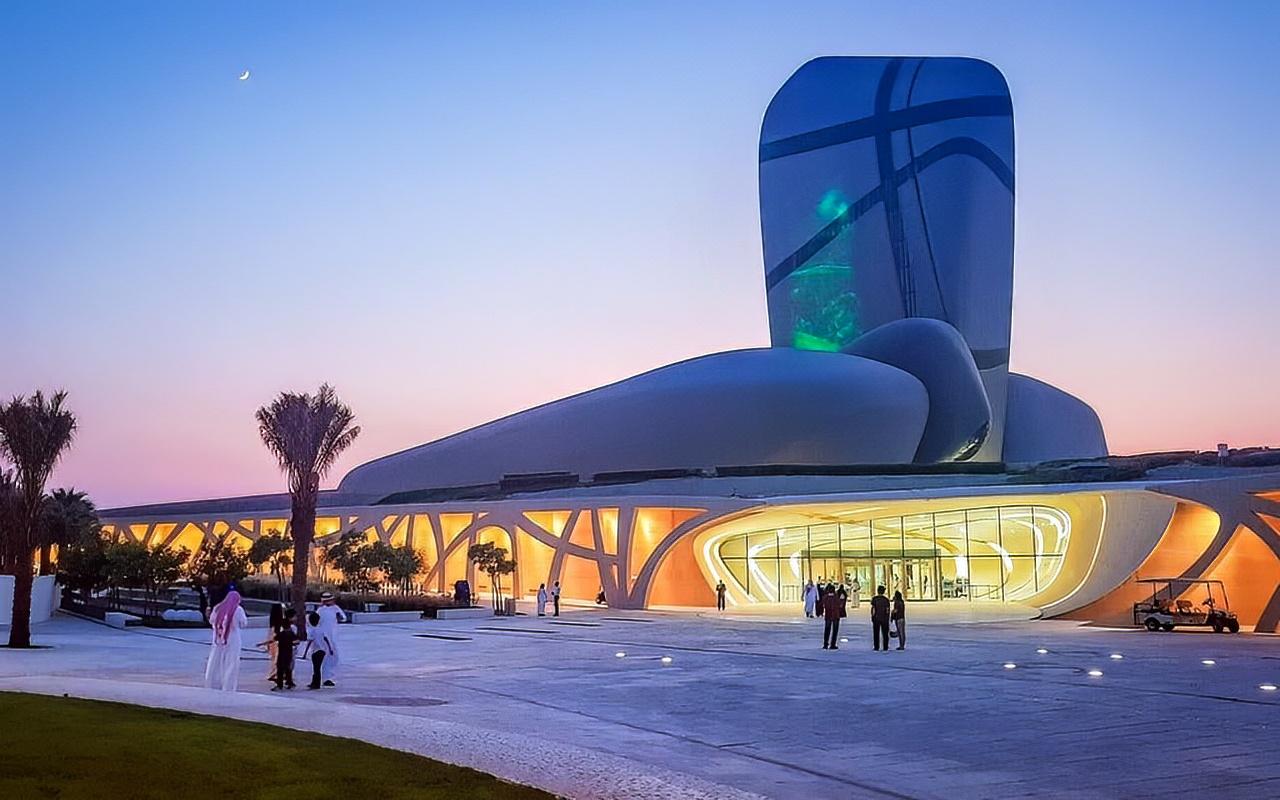
The energy transition does not follow a single path.
Aramco provides a particularly relevant example. Its strategy combines continued strength in oil, gas and chemicals with growth in digital, new energies, transition minerals and diversified industrial businesses. Its stated vision is to be the world's preeminent integrated energy and chemicals company, operating safely, sustainably and reliably.
The branding challenge is therefore not to suggest that the established business has disappeared.
It is to demonstrate how scale, capability, technology and expertise can provide a platform for future growth.
For large energy organisations, credibility comes from connecting ambition with what the business can genuinely deliver.
Transformation is most compelling when the future feels like a credible evolution of existing strengths.
There is no single model for building an energy brand through transformation.
Aramco is extending one of the world's largest integrated energy businesses into new areas while retaining the strength and credibility of its established operations.
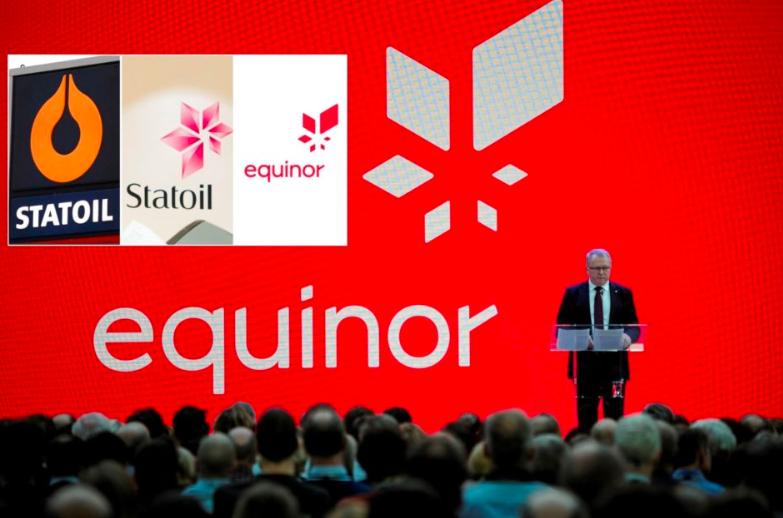
Equinor took a different route. In 2018, Statoil became Equinor because its old name no longer adequately represented a business evolving beyond its origins as Norway's state oil company. Equinor says its brand now seeks to position the company as a leader in the energy transition with the industrial strength to make a difference.
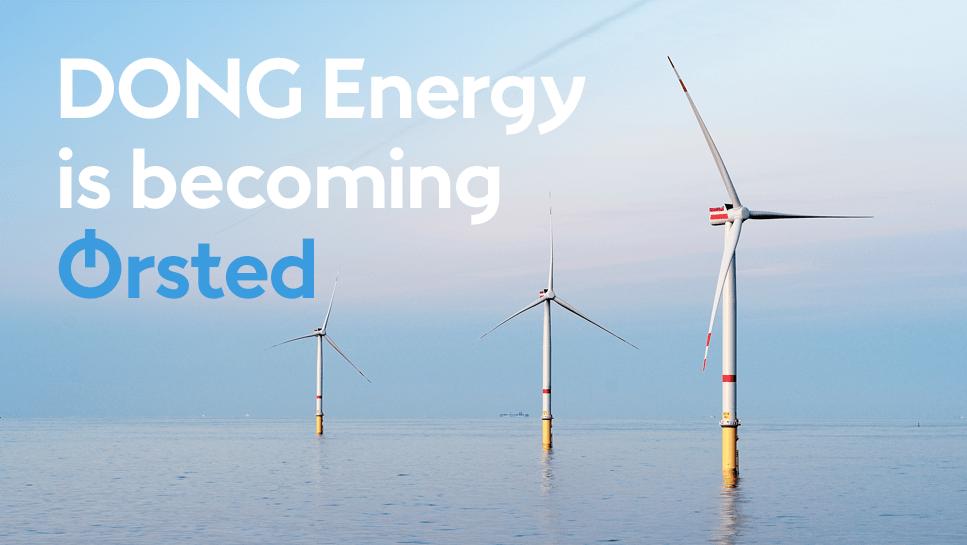
Ørsted represents perhaps the most radical transformation. In 2008, 85% of its heat and power production was fossil-fuel based. By 2025, renewables represented 99% of energy generation and operational emissions had fallen 98% from 2006 levels. The former DONG Energy name was replaced by Ørsted after the company exited oil and gas production.
Three different journeys, but one common principle:
The brand needs to make transformation clear, credible and distinctive.
The strongest energy brands don't simply communicate change. They build confidence in where the organisation is going and why it is equipped to get there.
Aeron is an international brand consultancy specialising in brand strategy, positioning, brand architecture, visual and verbal identity, customer experience, digital design and integrated marketing.
We help energy and utilities organisations bring greater clarity to complex businesses, create distinctive brands and communicate transformation in ways that build trust, understanding and long-term growth.
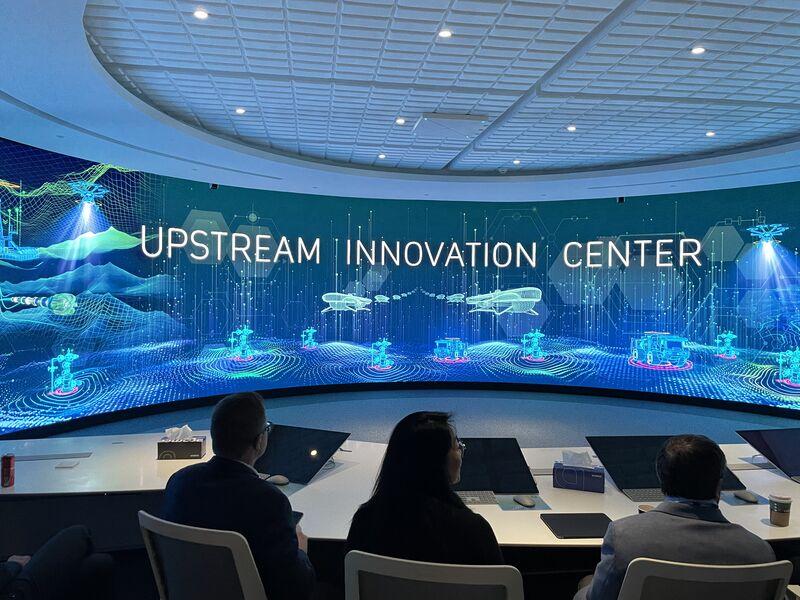
Caption:Technology is reshaping how established energy businesses define their future.
Explore our latest thinking on brand strategy, customer experience, digital transformation and the trends shaping today's industries. From emerging technologies and changing customer expectations to destination branding, aviation and financial services, our insights share practical perspectives to help organisations build stronger brands and make better strategic decisions.