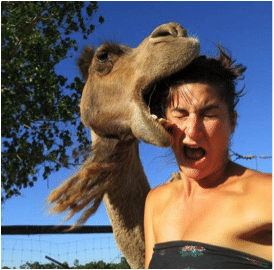
Sitting in the top trending stories last week were 19 Worst Selfie Fails Of All Time, which makes for pretty hilarious viewing if, unlike me, you are not sitting opposite your boss at work.

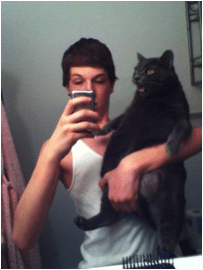
By definition a selfie is an image that one takes of oneself, typically with a Smartphone or a webcam and shared via social media. But what’s in a selfie – what’s the point?
Well Dr Apter, a psychology lecturer at Cambridge University, believes that we take selfies in search of self-definition; we take these pictures to help us figure out who we actually are. Selfies help us to accept our own internal experiences, thoughts and feelings in such a way that helps us to better understand how we interact with the world.
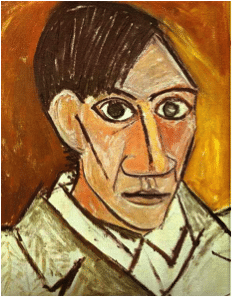
Picasso, Matisse, Van Gogh, Hockney, Munch, Hopper, to name but a few, are all artists who have turned a canvas into a mirror. Whilst they couldn’t publish their self-portraits on social media, these works were their own form of personal legacy – a form of “self-advertisement”.
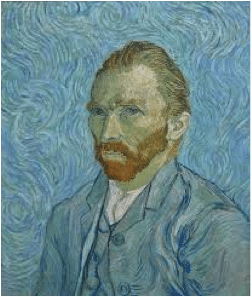
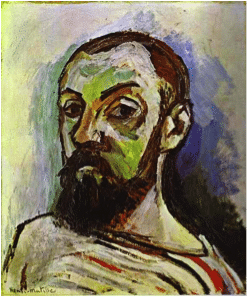
But selfies are also about self-transformation. Selfies that we publish show us how we want to be seen by others, meaning we take control of our own ‘brand image’ and portray the person we wish others to believe we are, be that sporty, funny, courageous…
What’s the outcome? Selfies represent a moment in our lives, but are a veneer to perhaps misdirect others from understanding our deeper motivations, insecurities or self-doubt.
For example, were Bilbo Baggins to take a selfie on his journey to the Lonely Mountain, I’m pretty sure he would be smiling whilst in the far distance would lie a panorama of the unknown. This image would portray to others a happy, go-lucky hobbit not fearing the adventure in which he was partaking. Actually this is a far cry from the truth. As unadventurous folk, hobbits would never elect to leave the Shire; Bilbo never wanted to leave Bag End and was pressurized by Gandalf and the dwarf brethren to do so. He would much rather have stayed in the comfort of his home, smoking pipe-weed and avoiding any excitement whatsoever.
So next time you take a selfie perhaps you will ask yourself why. On our never ending journey for self-definition and transformation, perhaps an introspective glance of what drives you to take that selfie will help you towards knowing yourself better and, in so doing, help you “to thine own self be true”.
By Emma Goodall
Explore our latest thinking on brand strategy, customer experience, digital transformation and the trends shaping today's industries. From emerging technologies and changing customer expectations to destination branding, aviation and financial services, our insights share practical perspectives to help organisations build stronger brands and make better strategic decisions.